
Electrical Installation Training: Electrical Installation in Uganda
Electrical installation involves the process of designing, fitting, testing, and maintaining electrical systems in homes, commercial buildings, and industrial environments. It covers everything from wiring and circuit protection to lighting, power distribution, and electrical safety.
As one of the most essential technical skills in Uganda’s growing construction and industrial sectors, electrical installation remains a highly marketable and respected profession. With constant demand for skilled technicians, anyone with interest and proper training can confidently build a successful career in this field.
Our electrical installation training course is expertly designed to equip you with the full range of skills needed to become a certified electrical technician in just 6 -12 weeks.
Whether you are a beginner starting from scratch, an artisan looking to improve your skills, or a technician seeking formal certification, our program accommodates all levels of learners. You do not need prior experience just commitment, curiosity, and a desire to master one of Uganda’s most in-demand trades.
This course is specially tailored to combine both classroom theory and practical hands-on work to ensure that trainees gain a deep understanding of electrical systems, tools, and installation techniques.
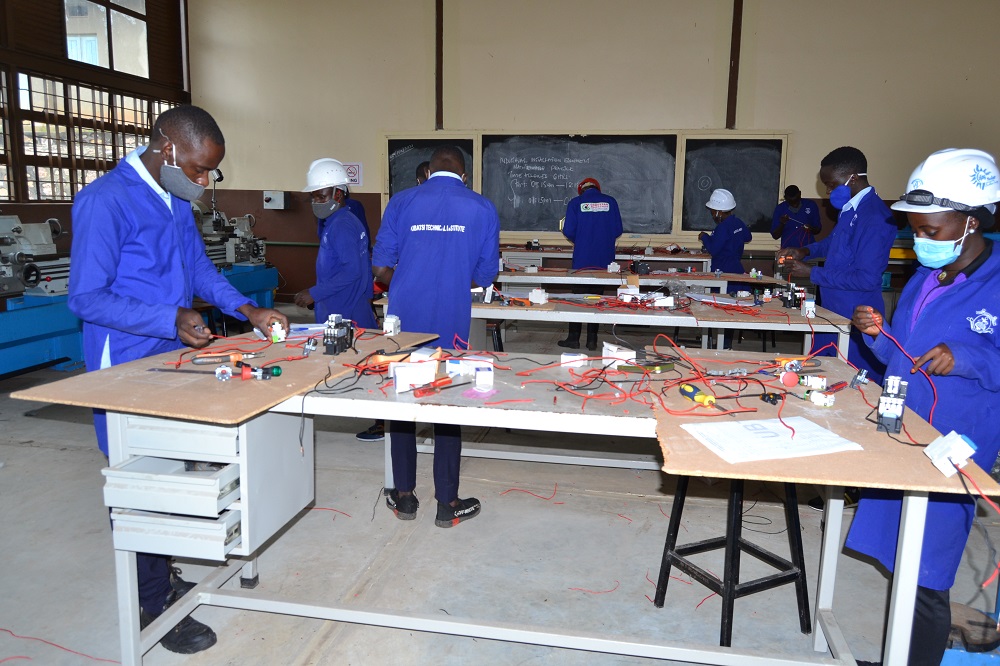
With the guidance of experienced instructors, you will learn everything from basic wiring and cable management to more advanced concepts like distribution boards, earthing systems, fault-finding, and load balancing. By the time you complete your training, you will be confident, competent, and ready to handle real-world installation projects safely and professionally.
We provide a structured training environment with fully equipped workshops, safety gear, and a comprehensive training manual that explains concepts in a simple, step-by-step manner.
Every module is designed to build your knowledge progressively, ensuring that safety protocols, installation procedures, and problem-solving techniques are well understood.
The goal is not just to teach you how to install wires, but to shape you into a reliable, safety-minded, and employable electrical technician.
Electrical Installation Training FAQ
How long does it take to learn electrical installation in Uganda?
You can become a competent electrical installer in 6–12 weeks, depending on the training level and institution. Schools such as Nextgen offer intensive programs that equip learners with safety skills, technical knowledge, and hands-on experience.
The training is structured to ensure learners understand both theory and practical application before certification.
What does an electrical installer do?
An electrical installer designs, connects, tests, repairs, and maintains electrical systems and equipment. Their responsibilities include:
• Installing wiring systems in homes, offices, and industrial buildings
• Setting up switches, sockets, circuit breakers, and distribution boards
• Conducting electrical tests and inspections
• Reading and interpreting electrical diagrams and building plans
• Ensuring safety compliance through proper earthing and circuit protection
• Troubleshooting electrical faults and repairing systems
• Maintaining power systems to prevent short circuits, overloads, and fire hazards
Electrical installers must be safety-conscious, attentive to detail, physically active, and willing to keep up with evolving electrical standards.
Is electrical installation difficult to learn?
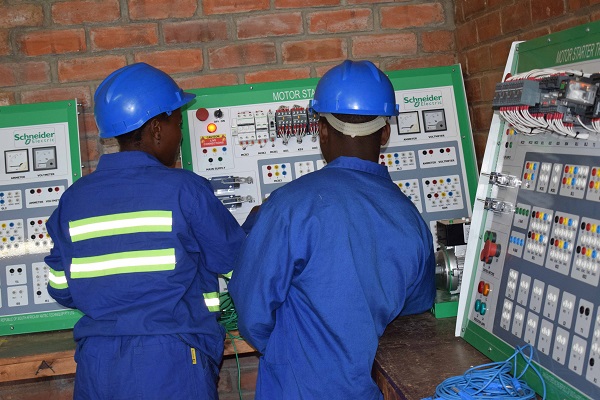
Electrical installation may look complicated because it involves technical diagrams, wiring layouts, safety standards, and various tools. However, with professional training and consistent practice, it becomes manageable and even enjoyable.
Many learners find satisfaction in connecting systems that power homes and industries. The key lies in understanding safety principles, using tools correctly, and learning how to apply both theory and practical knowledge to real installation work.