
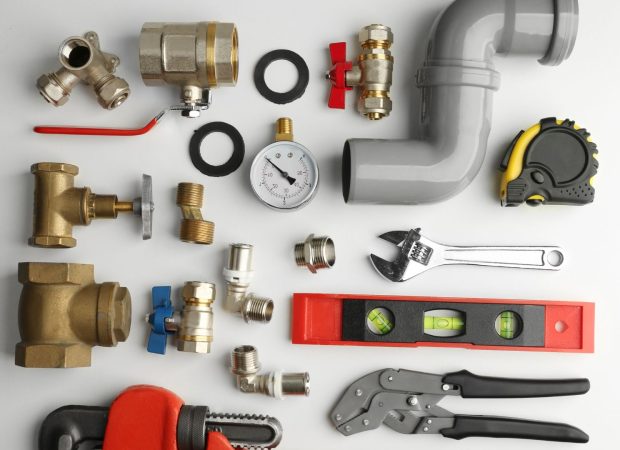
Plumbing & Drainage Systems Training in Uganda
Plumbing and drainage systems form the backbone of healthy, functional, and modern buildings. Plumbing involves the installation, maintenance, and repair of water supply systems, while drainage focuses on the safe removal of wastewater and stormwater from buildings and surrounding areas.
From homes and schools to hospitals, factories, and commercial complexes, properly designed plumbing and drainage systems are essential for hygiene, comfort, and environmental protection.
With rapid urbanization and construction growth in Uganda, skilled plumbers and drainage technicians are in high demand.
Our Plumbing & Drainage Systems training course is professionally designed to equip learners with practical skills, technical knowledge, and industry-relevant competencies within a period of 6–8 weeks.
No prior plumbing experience is required. What matters most is your willingness to learn a hands-on trade that offers strong employment prospects and opportunities for self-employment.
The course is open to beginners, artisans seeking to upgrade their skills, and individuals aiming to formalize their experience with certification.
The Plumbing & Drainage Systems course is structured to provide a balanced combination of classroom theory and extensive practical training.
Learners are guided step by step by experienced instructors, starting from basic concepts of water supply and sanitation to more advanced installation and troubleshooting techniques.
Training is conducted in a safe, well-equipped environment that reflects real-world plumbing and drainage conditions commonly found in Uganda.
This course emphasizes practical competence. Learners spend significant time working with actual plumbing tools, pipes, fittings, and fixtures.
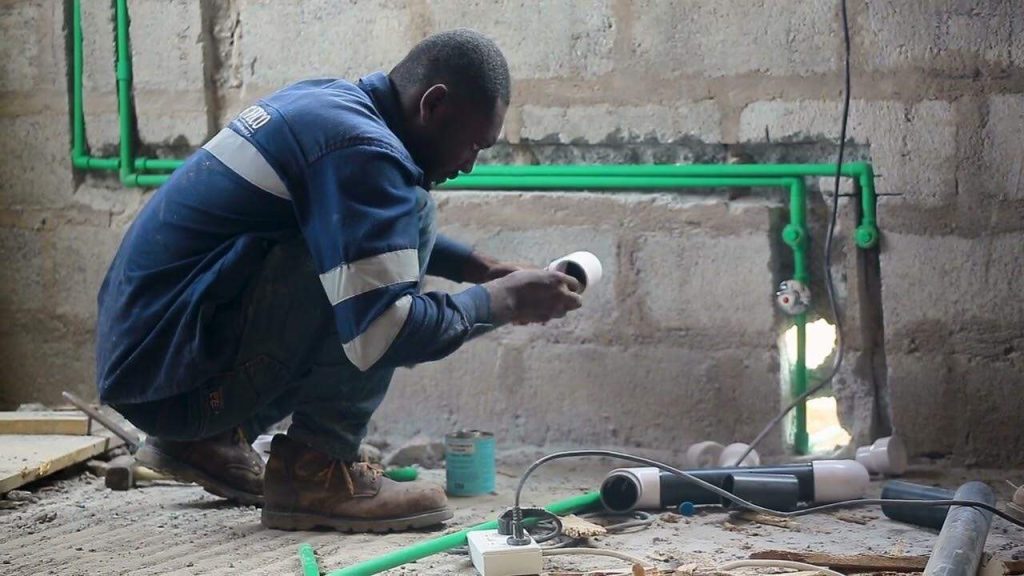
All theory-based lessons are supported with a well-illustrated training manual to help learners understand concepts clearly, revise independently, and apply correct methods during practical sessions. Safety practices are strictly observed to ensure learners develop professional habits from the very beginning.
Plumbing & Drainage Systems Training FAQ
How long does it take to learn plumbing and drainage systems in Uganda?
You can gain solid plumbing and drainage skills in six to eight weeks at a reputable institution such as Nextgen Institute of Technology. This duration is sufficient to cover safety procedures, water supply systems, drainage layouts, material handling, and extensive hands-on practice. Learners who commit fully to the training often become job-ready within this timeframe.
What does a plumber and drainage technician do?
A plumber installs, repairs, and maintains water supply systems, fixtures, and appliances such as sinks, toilets, showers, and water heaters. A drainage technician focuses on wastewater systems, including soil pipes, waste pipes, manholes, septic tanks, and stormwater drainage channels.
Their duties include reading building plans, cutting and joining pipes, testing systems for leaks, clearing blockages, and ensuring compliance with health and safety standards.
Plumbers and drainage technicians work in residential buildings, commercial premises, construction sites, factories, and public institutions.
They must be detail-oriented, safety-conscious, and physically capable, as the job often involves lifting materials, working in confined spaces, and responding to emergency repairs.
Is plumbing and drainage difficult to learn?
Plumbing and drainage may seem complex at first because they involve technical layouts, measurements, and different materials.
However, with structured training, clear guidance, and regular practice, the skills become easy to understand and apply.
Many learners find plumbing rewarding because it combines problem-solving, practical work, and visible results. With the right training, anyone can become a competent and confident plumber.