
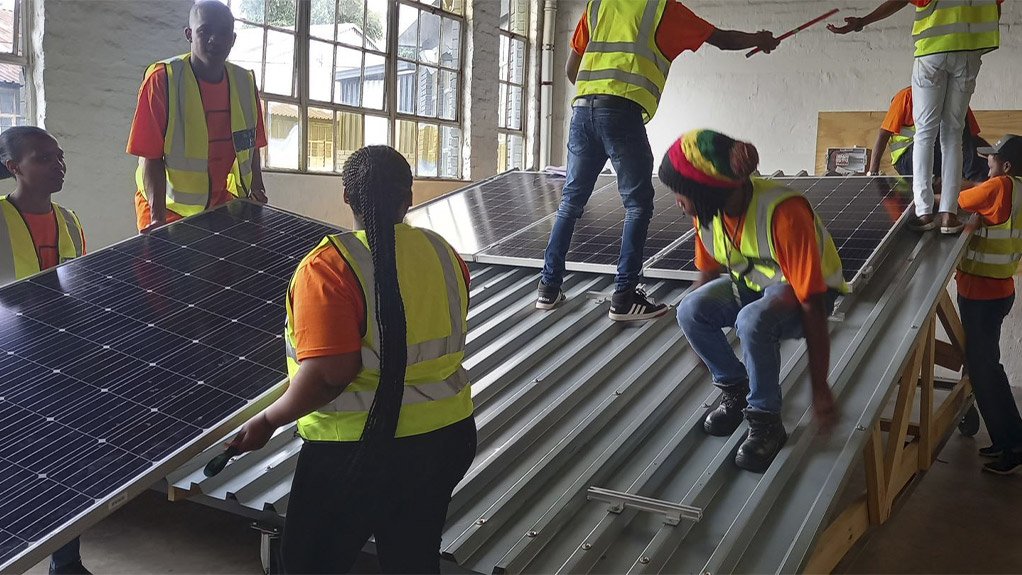
Solar Installation Training in Uganda
Solar installation is the process of designing, installing, and maintaining solar power systems that convert sunlight into usable electricity.
It involves working with solar panels, batteries, inverters, charge controllers, and electrical wiring to provide clean, reliable, and sustainable energy solutions.
In Uganda, where access to grid electricity is still limited in many areas, solar energy has become one of the most important and fast-growing power alternatives for homes, businesses, institutions, and rural communities.
Our solar installation training course is professionally designed to transform you into a competent and certified solar installation technician within 6–8 weeks.
You do not need prior electrical or solar experience to enroll only a willingness to learn and an interest in renewable energy.
The course is suitable for beginners, electricians seeking to upgrade their skills, technicians, and individuals aiming to start a solar installation business.
The solar installation course is structured to equip learners with strong theoretical knowledge, practical hands-on skills, and real-world installation experience in a safe and well-guided environment.
Trainees work closely with experienced instructors who guide them from basic solar concepts to advanced system design and installation techniques. The training covers different solar systems including off-grid, grid-tied, and hybrid solar systems commonly used in Uganda.
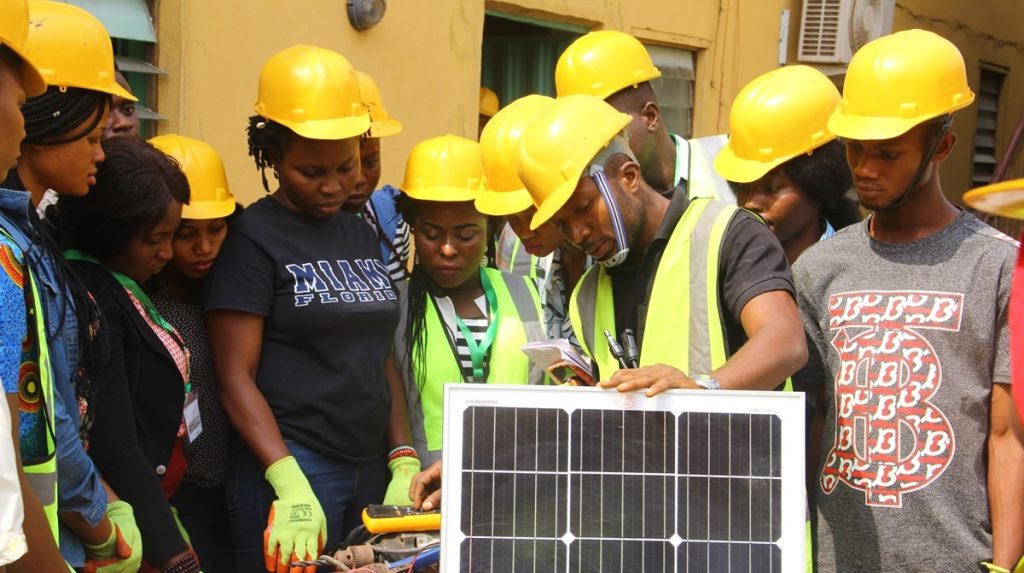
This course combines classroom-based theory with intensive practical fieldwork to ensure learners are job-ready upon completion.
All theory content is supported by a well-illustrated training manual that simplifies technical concepts and serves as a long-term reference. Emphasis is placed on safety, correct installation practices, and system efficiency to ensure reliable and long-lasting solar solutions.
Solar Installation Training FAQ
How long does it take to learn solar installation in Uganda?
You can become a trained and certified solar installer in six to eight weeks at a reputable training institution such as Nextgen Institute of Technology. This duration is sufficient to cover solar theory, electrical basics, safety procedures, system sizing, installation, testing, and troubleshooting. Learners gain both confidence and competence through hands-on practice.
What does a solar installer do?
A solar installer is responsible for installing, testing, maintaining, and repairing solar power systems. Their duties include assessing energy needs, mounting solar panels, connecting electrical components, installing batteries and inverters, testing system performance, and ensuring safety standards are met.
Solar installers may work on residential homes, commercial buildings, schools, health centers, and rural electrification projects.
Beyond installation, a professional solar technician must be able to diagnose system faults, perform routine maintenance, advise clients on energy usage, and ensure systems operate efficiently for many years.
Is solar installation difficult to learn?
Solar installation may seem technical at first, especially with electrical components and system calculations, but with proper training and guided practice, it becomes a practical and rewarding skill.
Many learners find solar training exciting because it combines technology, problem-solving, and hands-on work. With consistent practice, solar installation becomes easy to understand and highly employable.