Terrain Reading Skills for Equipment Operators
Imagine arriving at a construction site early in the morning. Your machine is ready, the project timeline is tight, and everyone expects work to begin immediately.
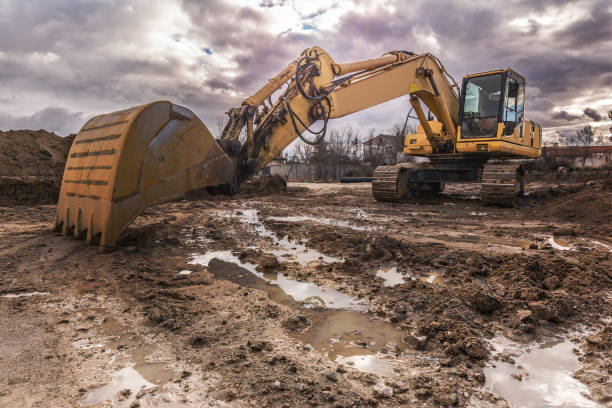
Yet below the surface lies a challenge that many operators overlook. The ground may appear stable, but hidden dangers such as soft soil, unstable slopes, underground voids, or waterlogged sections could turn a routine task into an expensive mistake within minutes.
This is why terrain reading skills are among the most valuable abilities any equipment operator can develop.
In Uganda’s rapidly growing construction, mining, road development, and agricultural sectors, operators are increasingly expected to do more than simply control machinery.
They must assess the site, understand ground conditions, anticipate risks, and make informed decisions before moving heavy equipment.
Strong terrain reading skills not only protect expensive machines but also safeguard lives, improve productivity, and help projects stay on schedule.
Whether you operate an excavator, bulldozer, grader, wheel loader, or backhoe, understanding the terrain before you operate can make the difference between a successful workday and a costly setback.
Before we continue, have you asked yourself “why terrain reading skills matter?”
Every successful operation begins with a clear understanding of the environment in which the machine will work.
Uganda’s diverse landscapes present unique challenges that require operators to remain alert and adaptable.
From the clay soils commonly found in central Uganda to the rocky terrain of western regions and the wet conditions experienced during rainy seasons, no two worksites are exactly alike.
If you’re an operator who possess strong terrain reading skills, you can quickly identify potential risks and adjust their operating techniques accordingly.
This ability reduces the likelihood of accidents, minimizes machine damage, and ensures that work progresses efficiently even in challenging conditions.
Here are some of the ways you can understand different types of terrain
One of the foundations of effective terrain reading skills is the ability to recognize and interpret different ground conditions. The terrain on a worksite directly influences machine stability, traction, and overall performance.
Soft ground, for example, may look firm on the surface but conceal moisture that can cause heavy equipment to sink.
Rocky terrain can damage undercarriages and tires if operators fail to identify obstacles before beginning work.
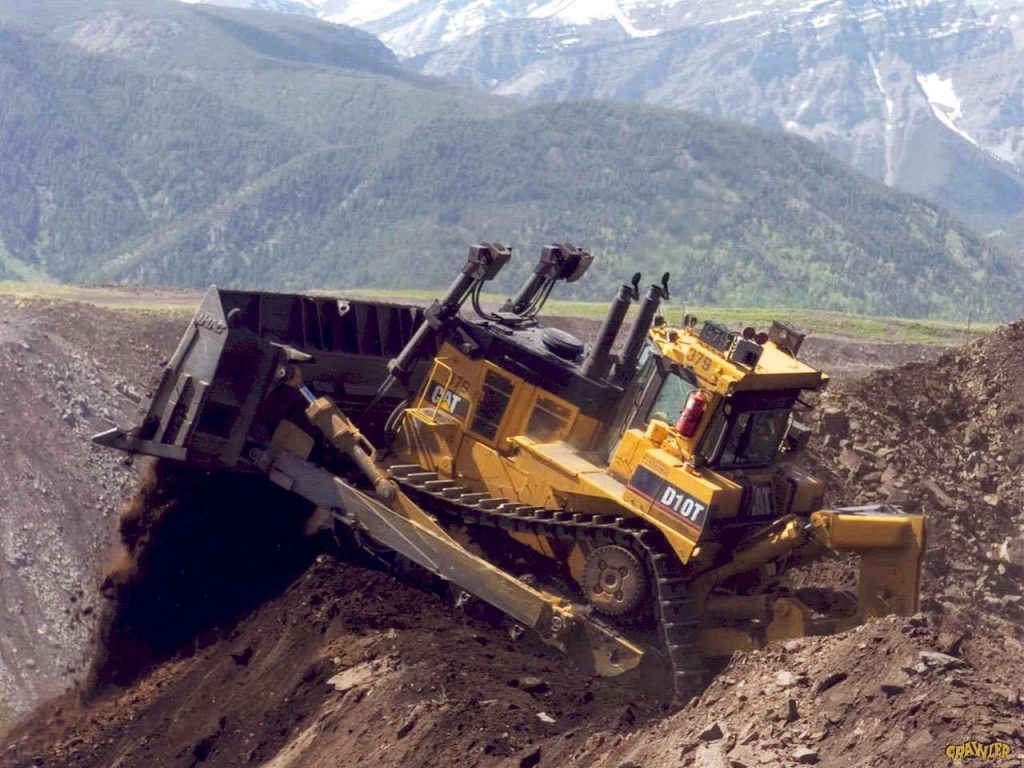
Sloped terrain presents its own risks, requiring careful planning and machine positioning to maintain stability.
By understanding how different surfaces affect equipment operation, as an operator you can make safer and more informed decisions throughout the workday.
As we move on, take a look on how you can recognize hidden ground hazards
One thing you should understand is that not all hazards are visible at first glance. Some of the most dangerous site conditions exist under the surface and can only be identified through careful observation and assessment.
If you’re an experienced operator, in most cases you understand that appearances can be deceiving.
Ground that looks stable may conceal underground utilities, old excavation trenches, buried debris, or weak soil layers.
Effective terrain reading skills involve looking beyond the obvious and considering what may lie underneath.
As an operator, take time to inspect the site and communicate with supervisors.
By doing this, you’re in a better position to avoid unexpected incidents that can lead to delays, injuries, or equipment damage.