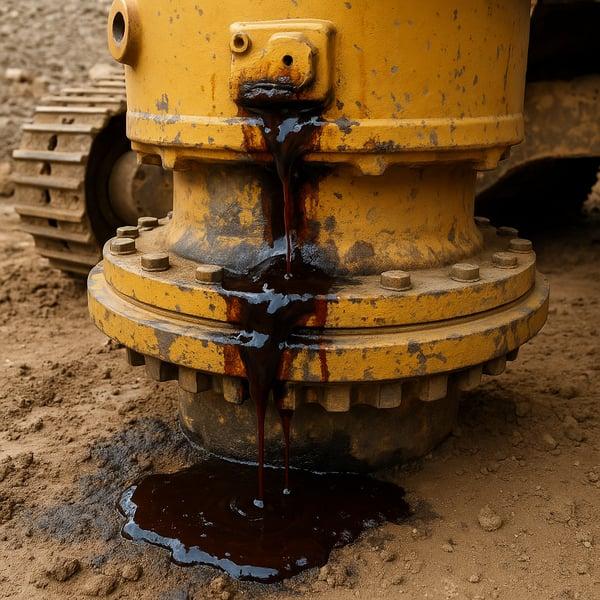
A small patch of oil beneath an excavator may look harmless. You might even wipe it away and continue working, especially when the machine still starts, moves and performs normally.
But what if that small leak is the first warning that a hydraulic hose is failing, a seal is damaged or a major component is losing pressure?
Why hydraulic leaks should never be ignored on heavy equipment becomes clear when you understand what the hydraulic system is actually doing.
Hydraulic oil transfers pressure to cylinders, motors and other components that allow an excavator to lift, dig and swing, while loaders, bulldozers, graders and cranes depend on hydraulic power for many of their essential movements.
When that system begins losing fluid, the problem can quickly move from a minor maintenance issue to a serious mechanical and safety concern. As an operator have it in mind that hydraulic leaks are major concerns for your safety
A hydraulic leak is a warning, not just an oil stain
Heavy equipment hydraulic systems are designed to operate under significant pressure. This pressure allows a relatively compact hydraulic system to produce the tremendous force needed to move heavy attachments and loads.
When hydraulic oil escapes, the system can lose pressure and efficiency. Hydraulic leaks may begin around a hose connection, fitting, cylinder seal, pump, valve or damaged hydraulic line.
At first, the machine may continue operating normally. However, continued fluid loss can eventually affect the performance of the entire system.
This is why an operator should not think, “The machine is still working, so the hydraulic leaks can wait.” A machine can continue working while a developing fault is already causing damage.
What causes hydraulic leaks on heavy equipment?
Hydraulic leaks can develop for several reasons. Hoses can deteriorate with age, become damaged through abrasion or rub against other components. Connections can loosen, while seals and O-rings can wear out after prolonged operation.
Excessive heat, contamination and incorrect installation can also contribute to hydraulic system problems. A hose that repeatedly bends beyond its intended range or contacts a sharp surface may eventually fail.
The location of the leak can provide an important clue. Oil around a hydraulic cylinder may point toward a damaged rod seal, while oil around a hose connection may indicate a fitting or hose problem.
However, identifying the exact cause should be done safely and, where necessary, by a qualified technician.
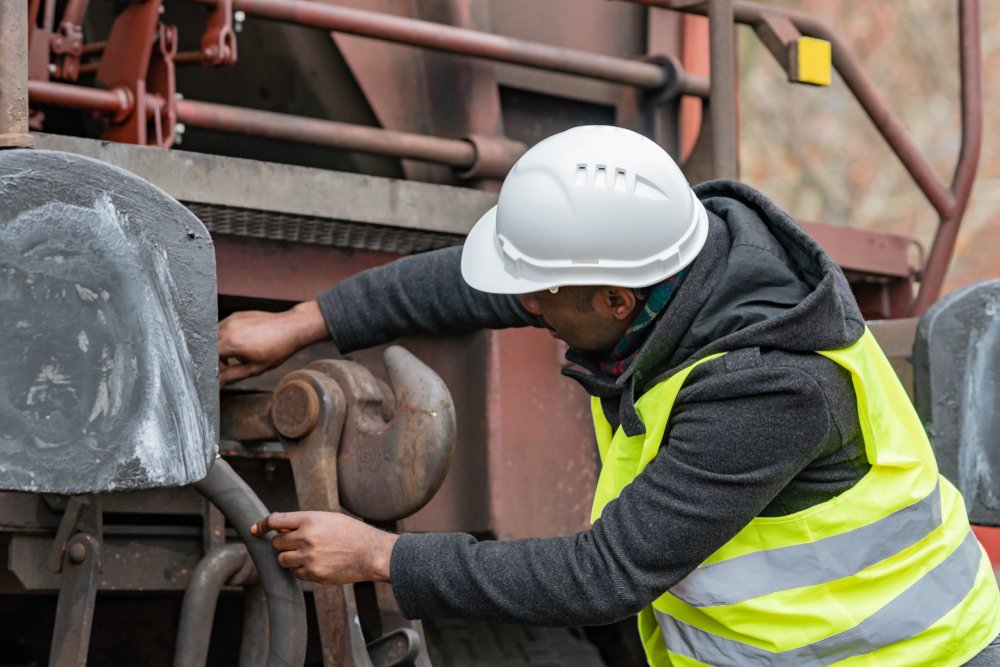
OSHA inspection guidance specifically identifies hydraulic hoses, fittings, tubing, pumps, valves and cylinders as components that should be checked for leakage and other signs of deterioration.
Why continuing to operate with a leak is dangerous
The first danger is loss of machine performance. As hydraulic fluid decreases, the system may struggle to maintain the pressure required for normal operation. You may notice slow boom movement, weak lifting, sluggish attachments or unusual machine behavior.
The second danger is component damage. Running a hydraulic system with insufficient fluid can place additional strain on pumps and other components. What could have been a relatively simple hose or seal replacement may eventually become a much more expensive repair.
The third danger is unexpected movement. Hydraulic faults can affect the controlled movement of machine components. This becomes particularly serious when an operator or mechanic is working around a boom, bucket, blade or other attachment.
Hydraulic systems should never be treated as the only means of holding a raised component safely in position. Appropriate mechanical support and the manufacturer’s maintenance procedures should be followed during servicing.