Why Hydraulic Leaks Should Never Be Ignored on Heavy Equipment

Why Hydraulic Leaks Should Never Be Ignored on Heavy Equipment
Could small hydraulic leaks be warning you of a bigger heavy equipment problem? Discover why ignoring it can put your machine, work and safety at risk.

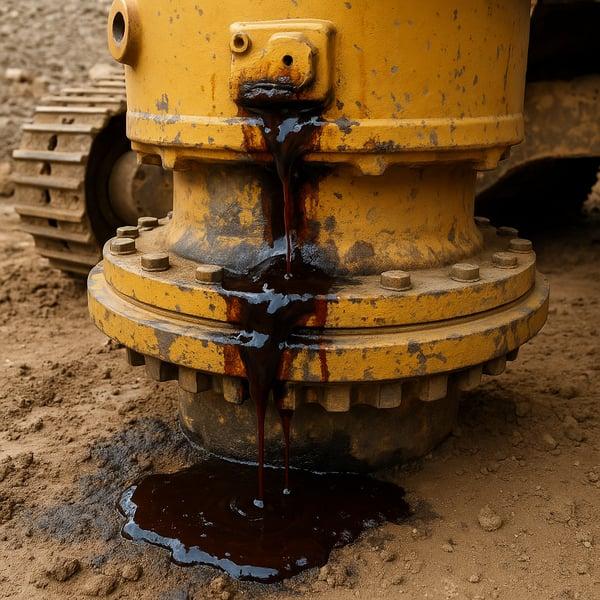
A small patch of oil beneath an excavator may look harmless. You might even wipe it away and continue working, especially when the machine still starts, moves and performs normally.

But what if that small leak is the first warning that a hydraulic hose is failing, a seal is damaged or a major component is losing pressure?

Why hydraulic leaks should never be ignored on heavy equipment becomes clear when you understand what the hydraulic system is actually doing.

Hydraulic oil transfers pressure to cylinders, motors and other components that allow an excavator to lift, dig and swing, while loaders, bulldozers, graders and cranes depend on hydraulic power for many of their essential movements.

When that system begins losing fluid, the problem can quickly move from a minor maintenance issue to a serious mechanical and safety concern. As an operator have it in mind that hydraulic leaks are major concerns for your safety

A hydraulic leak is a warning, not just an oil stain

Heavy equipment hydraulic systems are designed to operate under significant pressure. This pressure allows a relatively compact hydraulic system to produce the tremendous force needed to move heavy attachments and loads.

When hydraulic oil escapes, the system can lose pressure and efficiency. Hydraulic leaks may begin around a hose connection, fitting, cylinder seal, pump, valve or damaged hydraulic line.

At first, the machine may continue operating normally. However, continued fluid loss can eventually affect the performance of the entire system.

This is why an operator should not think, “The machine is still working, so the hydraulic leaks can wait.” A machine can continue working while a developing fault is already causing damage.

What causes hydraulic leaks on heavy equipment?

Hydraulic leaks can develop for several reasons. Hoses can deteriorate with age, become damaged through abrasion or rub against other components. Connections can loosen, while seals and O-rings can wear out after prolonged operation.

Excessive heat, contamination and incorrect installation can also contribute to hydraulic system problems. A hose that repeatedly bends beyond its intended range or contacts a sharp surface may eventually fail.

The location of the leak can provide an important clue. Oil around a hydraulic cylinder may point toward a damaged rod seal, while oil around a hose connection may indicate a fitting or hose problem.

However, identifying the exact cause should be done safely and, where necessary, by a qualified technician.

OSHA inspection guidance specifically identifies hydraulic hoses, fittings, tubing, pumps, valves and cylinders as components that should be checked for leakage and other signs of deterioration.

Why continuing to operate with a leak is dangerous

The first danger is loss of machine performance. As hydraulic fluid decreases, the system may struggle to maintain the pressure required for normal operation. You may notice slow boom movement, weak lifting, sluggish attachments or unusual machine behavior.

The second danger is component damage. Running a hydraulic system with insufficient fluid can place additional strain on pumps and other components. What could have been a relatively simple hose or seal replacement may eventually become a much more expensive repair.

The third danger is unexpected movement. Hydraulic faults can affect the controlled movement of machine components. This becomes particularly serious when an operator or mechanic is working around a boom, bucket, blade or other attachment.

Hydraulic systems should never be treated as the only means of holding a raised component safely in position. Appropriate mechanical support and the manufacturer’s maintenance procedures should be followed during servicing.
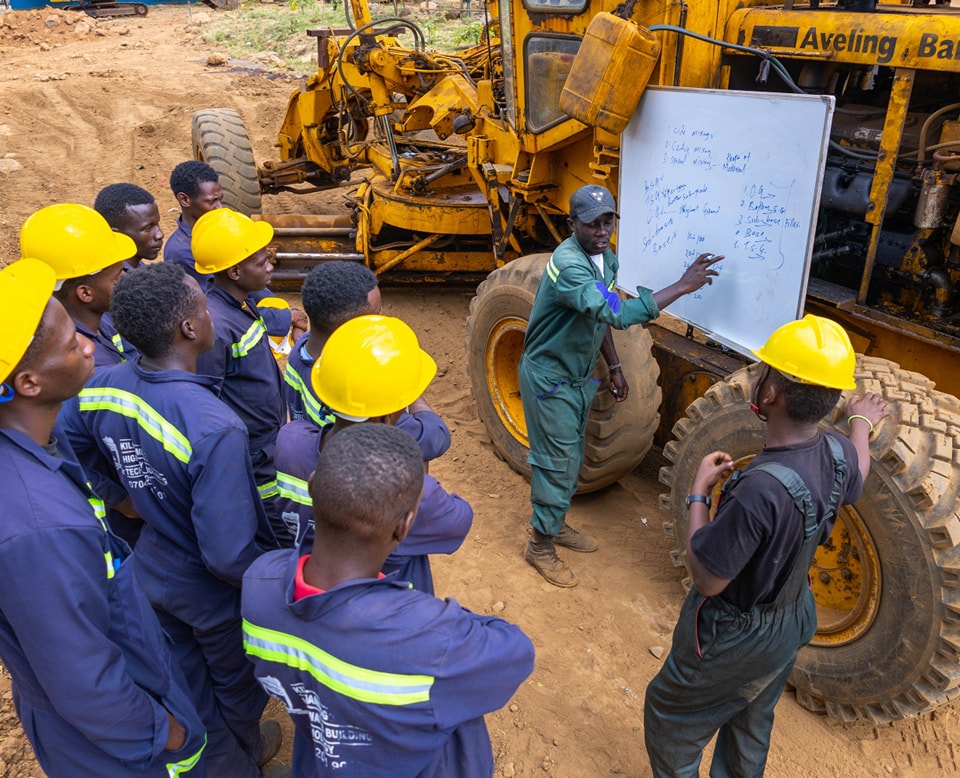
NextGen Trainees understanding smooth operation precautions and pre start inspections

Suggested Training Courses

Granite Installation Training

UGX. 600000

Car Wash & Auto Detailing Training

UGX. 700000

Generator Repair Training in Uganda

UGX. 1500000

The hidden danger: high-pressure hydraulic injection

One of the most important lessons for a heavy equipment operator is that you should never use your hand to search for a hydraulic leak.

A tiny opening in a pressurized hydraulic line may produce a stream that is difficult to see but powerful enough to penetrate the skin.

The injury may initially look like a small puncture, yet hydraulic fluid injected beneath the skin can cause serious tissue damage.

For this reason, a suspected leak should be approached as a pressure hazard. Shut down the equipment when appropriate, isolate the system and relieve stored pressure before maintenance begins.

Inspection and repair should follow the manufacturer’s procedures and be handled by a competent person.

Hydraulic leaks can also become fire hazards

Hydraulic oil is not something you should allow to accumulate around hot engine components or other ignition sources.

A damaged hose can release fluid under pressure and create a fine spray or mist. If that fluid reaches a suitable ignition source, the consequences can be severe.

OSHA has documented the fire hazards associated with high-pressure hydraulic fluid releases and emphasizes the importance of inspecting hoses, fittings and hydraulic components for deterioration and leakage.

This makes leak detection part of machine safety, not simply machine cleanliness.

What should an operator check?

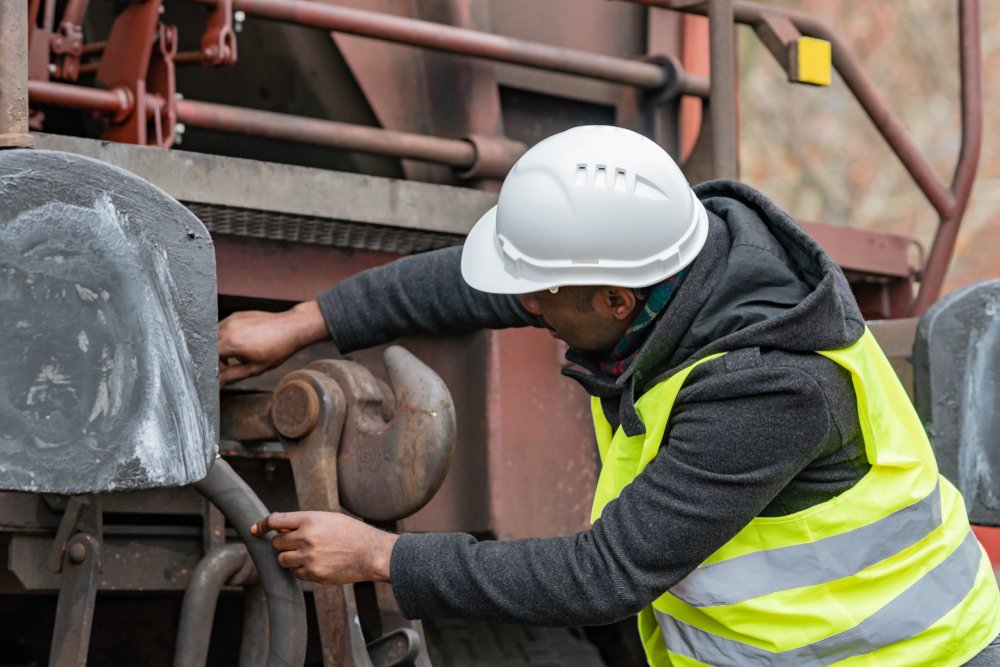
Before starting work, take a few minutes to walk around the machine. Look beneath the equipment and inspect visible hydraulic hoses, connections and cylinders. Pay attention to fresh oil, wet areas, damaged hose coverings, bulges, cracks and signs of abrasion.

Do not only look for large puddles. A developing leak may appear as a damp connection or a thin film of oil around a component.

You should also pay attention to changes in machine performance. Slow hydraulic movements, unusual noises, excessive heat, weak lifting or attachments that do not hold their position properly can indicate that something needs investigation.

These symptoms should not automatically be blamed on a leak, but they are reasons to stop and investigate rather than simply continuing to work.

Prevention starts with proper maintenance

The best way to deal with a hydraulic leak is to identify the problem before it becomes a failure.

Regular inspection, correct hydraulic fluid levels, proper hose routing, clean connections and timely replacement of damaged components all contribute to hydraulic system reliability.

Using the correct fluid specified by the equipment manufacturer is also important because incorrect fluid selection can affect system performance and component life.

For a trainee learning heavy equipment operation, this is an important mindset to develop: operating the machine is only part of being a good operator. Understanding its condition is equally important.

Learn to recognize problems before they become breakdowns

A skilled heavy equipment operator does more than control the bucket, blade or attachment. The operator listens to the machine, observes its performance and recognizes changes before they become major failures.

Understanding why hydraulic leaks should never be ignored on heavy equipment gives you a practical advantage on any construction, agricultural, roadwork or industrial site.

A small leak can indicate a much bigger problem, and reporting it early can protect the machine, reduce downtime and, most importantly, protect the people working around it.

At NextGen Institute of Technology, developing practical knowledge alongside machine operation helps prepare learners to approach heavy equipment with greater confidence, responsibility and safety awareness.

Enroll & Start Training

Start a life-changing training to become a competent Heavy Machinery Operator today!
Share the Post:

Related Posts