
Automotive Mechanics Training in Uganda
Automotive mechanics is the discipline of maintaining, diagnosing, and repairing vehicles such as cars, vans, buses, and trucks. It focuses on understanding vehicle systems including engines, transmissions, brakes, electrical systems, suspension, and fuel systems so they operate efficiently and safely.
With Uganda’s growing transportation industry, the demand for skilled mechanics continues to rise, making automotive mechanics a practical, rewarding, and highly marketable skill for both employment and self-employment.
Our Automotive Mechanics Training Course is carefully designed to take you from beginner level to a competent, confident, and certified automotive technician in just 4 – 6 weeks. Whether you are completely new to mechanics, have basic knowledge, or are looking to upgrade your skills, this course provides everything you need to excel in the automotive field.
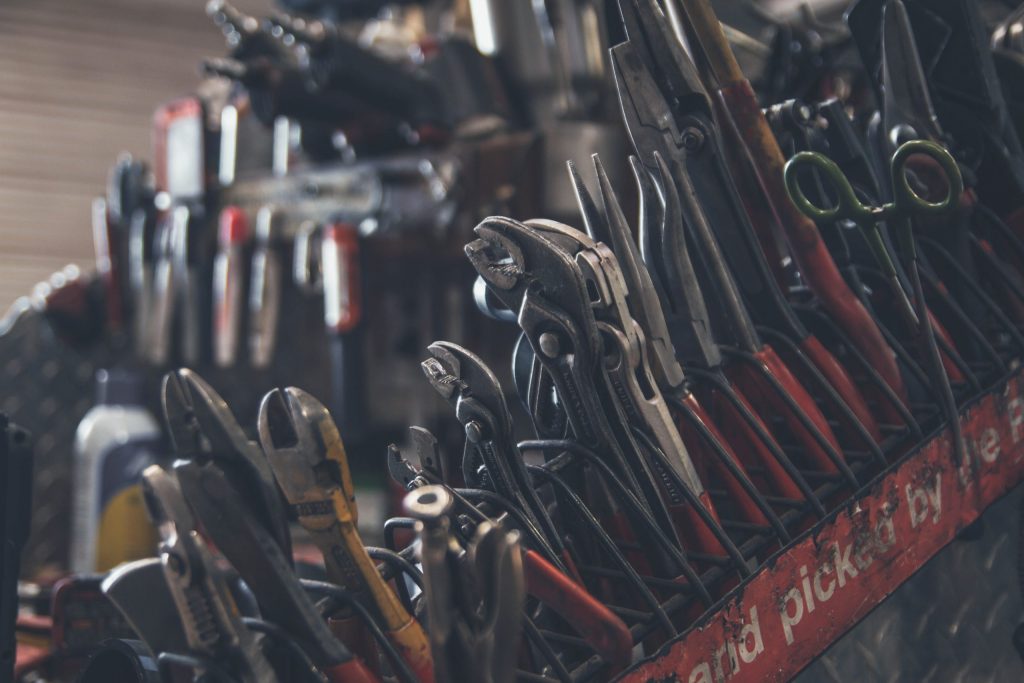
The training combines essential theory with intensive hands-on experience in a controlled, well-equipped workshop environment. Learners interact directly with real engines, diagnostic tools, vehicle systems, and modern repair equipment under the guidance of experienced instructors.
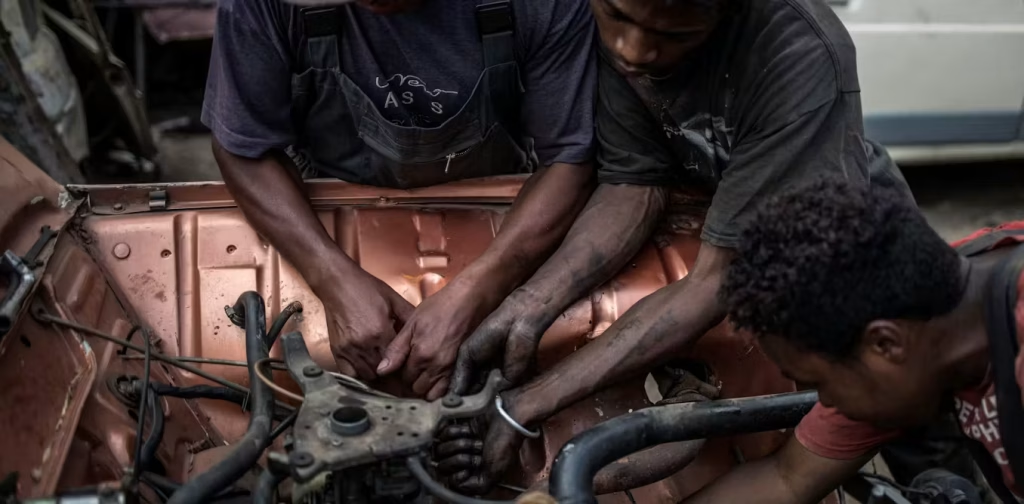
Every lesson is structured to build your confidence, enhance your problem-solving skills, and prepare you to diagnose and repair a wide range of vehicles both old and modern.
Additionally, trainees receive a detailed training manual, safety gear, and step-by-step demonstrations that make learning simple, engaging, and easy to understand regardless of your background.
Automotive Mechanics Training FAQ
How long does it take to learn Automotive Mechanics in Uganda?
You can become a skilled automotive mechanic in 4 -6 weeks, especially at institutions like Nextgen. The course length covers theory, practical sessions, hands-on engine teardown and rebuilding, diagnostic procedures, and supervised repair work.
The duration may vary depending on your chosen specialization and level of practice, but most learners become job-ready within this period.
What does an automotive mechanic do?
An automotive mechanic is responsible for inspecting, diagnosing, repairing, and maintaining motor vehicles to ensure they operate safely and efficiently. Main duties include:
• Examining vehicles and identifying mechanical faults
• Repairing or replacing worn-out parts such as brake pads, belts, plugs, bearings, and suspension components
• Understanding electrical systems and troubleshooting wiring issues
• Performing engine tune-ups, oil changes, and filter servicing
• Using diagnostic tools to detect computer-related system failures
• Testing and ensuring vehicles meet road safety standards
• Advising vehicle owners on maintenance schedules and repair needs
Mechanics may work in garages, auto repair shops, transport companies, construction firms, fuel stations, or start their own workshops. The job requires technical skill, teamwork, attention to detail, and the ability to adapt to new technologies in the automotive industry.
Is automotive mechanics difficult to learn?
Automotive mechanics can seem challenging at first, especially with engines, electrical systems, and diagnostic tools involved. However, with proper training, patient instructors, and hands-on practice, the learning process becomes enjoyable and highly fulfilling.
Many learners find it exciting to dismantle engines, repair systems, and see a vehicle return to perfect working condition because of their skill.
Mechanics is a practical course meaning the more you practice, the more confident and skilled you become. Once you understand how vehicle systems work together, diagnosing and repairing becomes much easier.