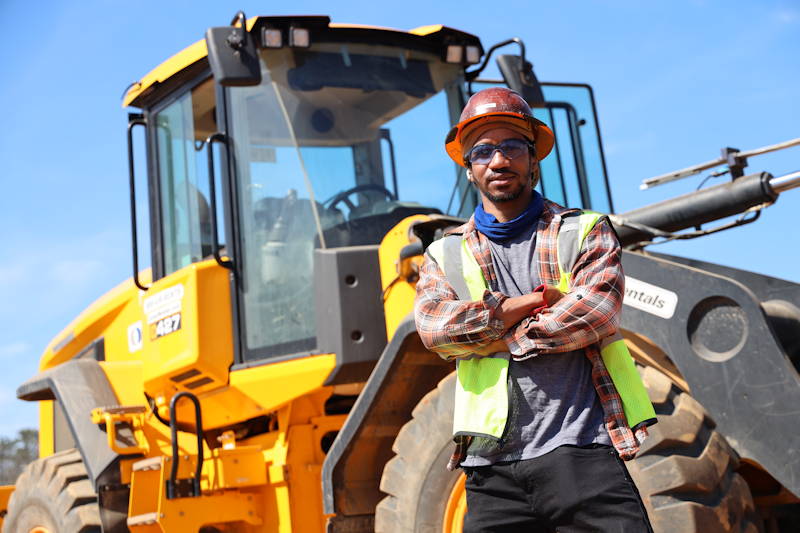
Why Safety Training Matters
Imagine you’re stepping into an industry full of opportunity. Construction sites are growing across Uganda, new projects are coming up, and skilled operators are in demand.
But before you think about the job itself, there’s something more important you need to understand and that is your safety comes first.
Every time you sit behind the controls of a machine, you are dealing with power, weight, and responsibility.
One wrong move can lead to serious consequences, not just for you, but for everyone around you.
The truth is, most accidents don’t happen because someone intended to do something wrong. They happen because someone wasn’t fully prepared.
That’s why safety training is not just an added advantage but it is a necessity. And this is where a structured learning environment like Next Gen Institute of Technology becomes important.
It gives you the space to learn, make mistakes safely, and build the confidence you need before stepping onto a real worksite.
Why safety training should be your first step
If you’re serious about becoming a professional operator, then training should be your starting point not something you think about later.
You might feel tempted to learn directly on-site, watching others and picking up skills as you go. But that approach often leaves dangerous gaps in your knowledge.
When you train in a school setting like Next Gen Institute of Technology, you are not rushed.
You are guided step by step. You learn not just how to operate a machine, but why certain procedures exist. You begin to understand:
- Why pre-operation checks matter
- Why load limits should never be ignored
- Why safety protocols must always be followed
This kind of understanding builds a strong foundation. And once you have that foundation, everything else becomes easier and safer.
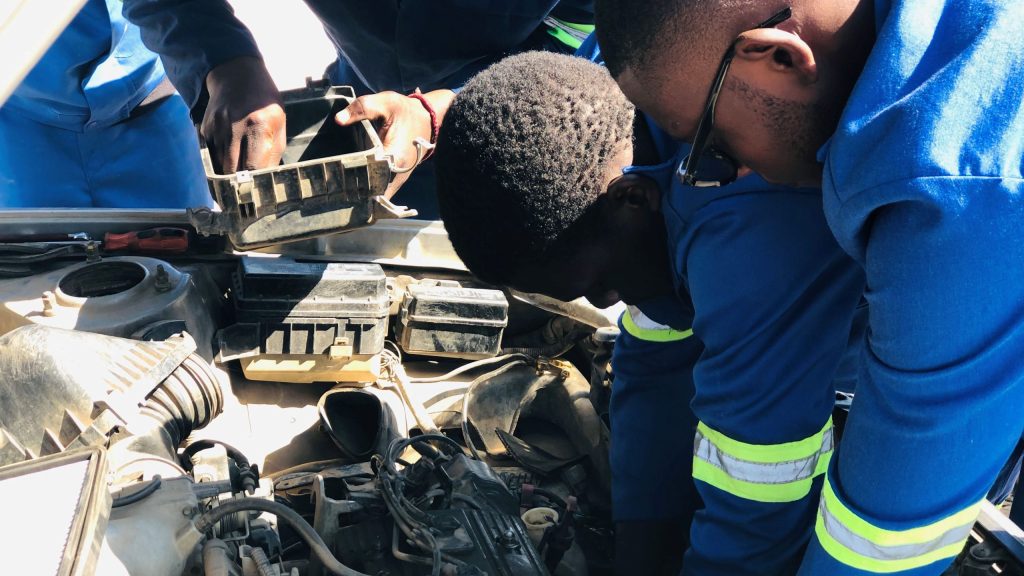
Here are some of the reasons as to why safety training matters
Learning in a controlled environment reduces risk
Think about this for a moment. Would you rather make your first mistake on a busy construction site or in a controlled training environment?
In a school setting like Next Gen Institute of Technology, you are allowed to learn without pressure. You are supervised by experienced instructors who correct you immediately.
You are exposed to real machines, but in a structured way that minimizes risk. This matters because mistakes are part of learning. The difference is where those mistakes happen.
At Next Gen Institute of Technology, you:
- Practice under supervision
- Learn from controlled simulations
- Gain confidence before handling real job situations
By the time you step onto a worksite, you are no longer guessing but you are prepared.
Understanding machinery beyond basic operation
When you look at an excavator or forklift, it may seem straightforward i.e. controls, movement, and lifting. But there’s much more happening beneath the surface.
Proper training helps you understand your machine in detail. At Next Gen Institute of Technology, you learn:
- How different machines respond under various conditions
- How weight distribution affects stability
- How terrain influences machine performance
This knowledge allows you to operate with precision. Instead of reacting to situations, you begin to anticipate them. And that’s what keeps you safe.
Building safe operating habits early
The habits you develop at the beginning of your career will stay with you for years. If you start without proper training, you may develop shortcuts that put you at risk.
But when you train at Next Gen Institute of Technology, safety becomes part of your routine from day one. You get used to:
- Inspecting your machine before use
- Wearing the right protective equipment
- Staying aware of your surroundings
- Following proper procedures every time
These habits become automatic. You don’t have to force yourself to be safe but it becomes how you naturally work.
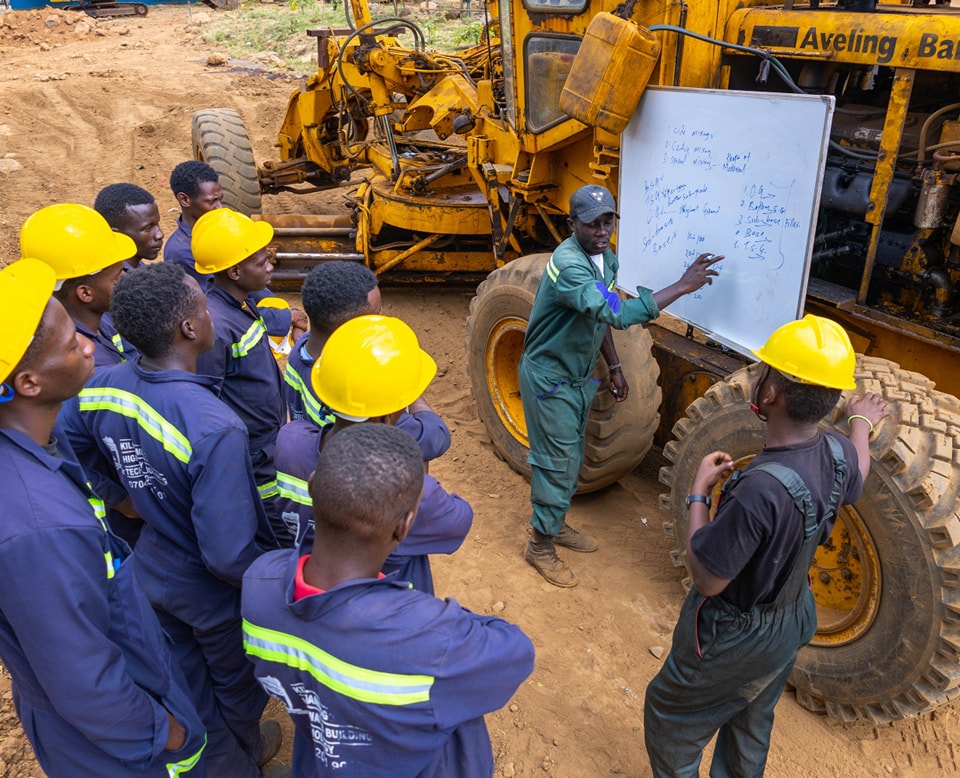
The role of instructors in shaping you
One of the biggest advantages of training in a school setting is the presence of experienced instructors.
At Next Gen Institute of Technology, instructors don’t just teach but they guide you.
They share real-life experiences, correct your mistakes, and help you understand the risks involved in your work.
When you’re learning alone or on-site, no one may stop you when you make a mistake. But in training, every error becomes a lesson. This guidance helps you:
- Avoid common operator mistakes
- Understand real-world challenges
- Build confidence in your abilities
And that confidence makes a big difference when you start working professionally.