Heavy Machinery Training Duration in Uganda
Have you noticed that heavy machinery is at the center of Uganda’s rapid growth in construction, road development, logistics, agriculture, and industrial work?
From forklifts moving goods in busy warehouses to excavators shaping major road projects, these machines depend entirely on skilled operators who are properly trained.
If you are planning to join this career path, you need to clearly understand how long heavy machinery training takes and what you actually learn during the process.
In this guide, you will understand the heavy machinery training duration in Uganda, what affects it, and the key skills you will gain when you train at a professional institution.
What heavy machinery training involves
When you join heavy machinery training, you step into a structured learning process that develops both your knowledge and your practical ability.
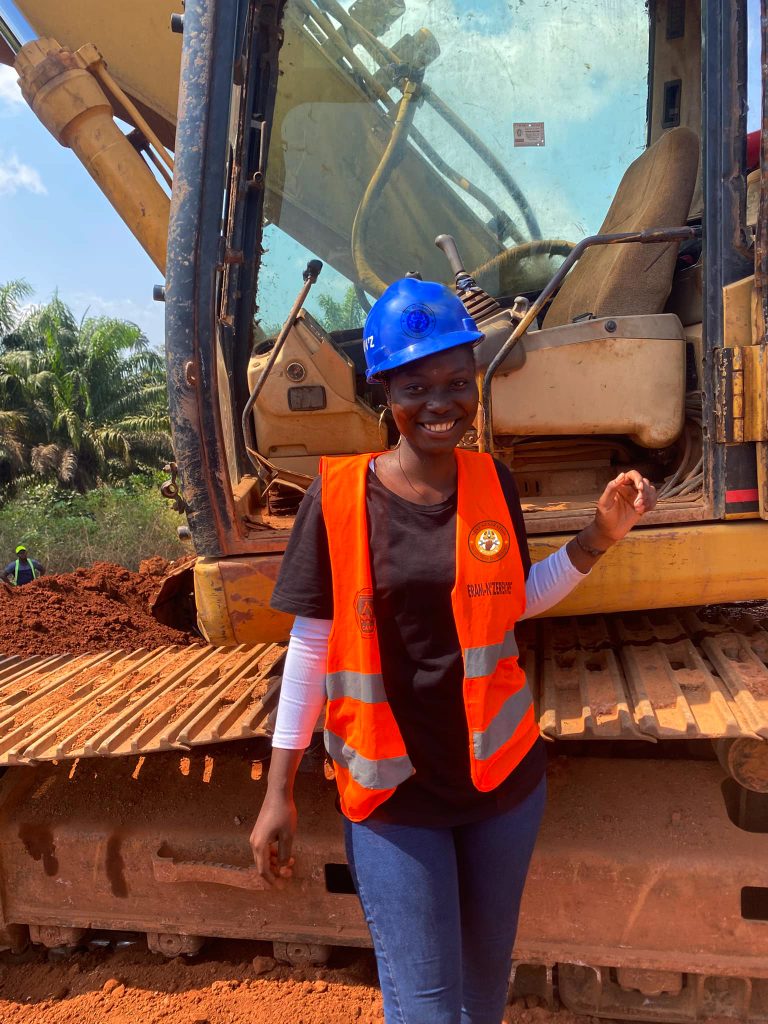
When you look at the training you receive at Next Gen Institute of Technology you first start with classroom lessons where you learn the basics of machine types, how they function, and how each system operates.
You also study safety principles, warning signs, and how to identify risks before operating any machine.
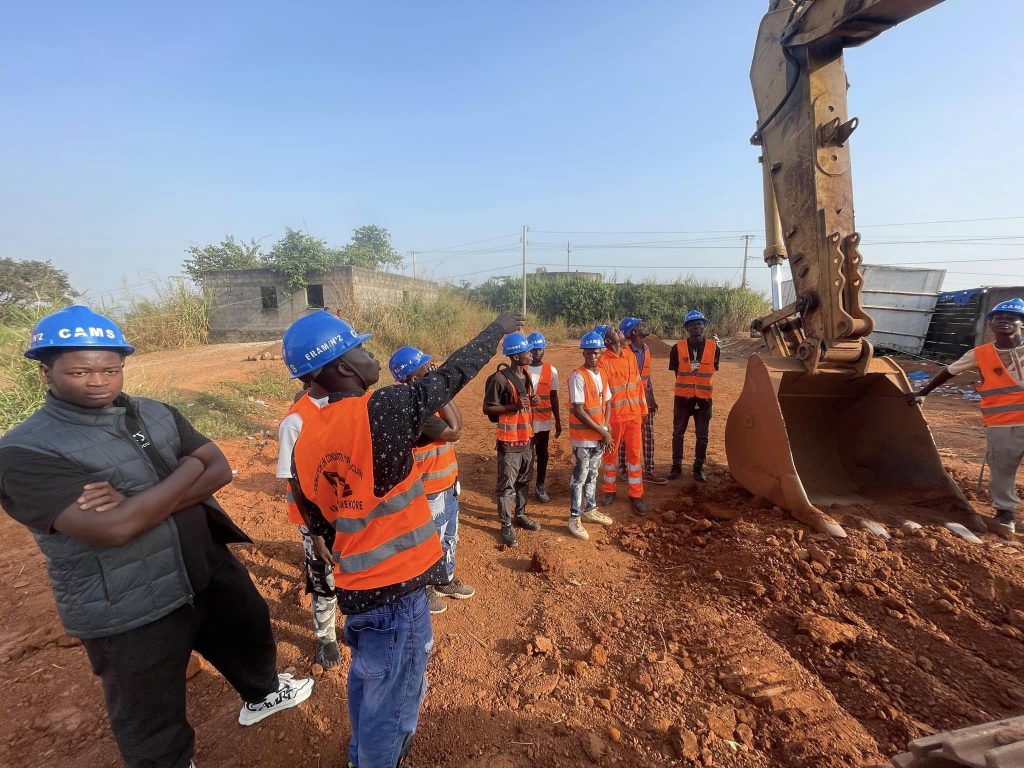
After theory, you move into practical training where you operate real machines under supervision.
Here, you practice starting the machine, controlling movement, lifting loads, and working in real site conditions.
You also learn how to carry out basic maintenance such as checking oil levels, inspecting hydraulic systems, and identifying early faults.
By the time you complete this stage, you are not just learning to operate a machine but you are learning to handle it safely and professionally in real working environments.
Now here is the real answer to this question: “How long is the heavy machinery training duration in Uganda?”
The time it takes to complete heavy machinery training in Uganda depends on the program you choose and the type of machine you specialize in.
At a structured institution like Next Gen, training is organized in a way that balances theory and practical exposure.If you are training for basic operation, such as forklift driving, the duration usually takes about 4 to 8 weeks.
If you choose a broader program that includes multiple machines like excavators, wheel loaders, and graders, the training can take around 2 to 3 months.
For advanced training that focuses on mastery, safety certification, and complex operations, the duration may extend to 3 to 6 months depending on your performance and practice time.
The key point you must understand is that heavy machinery training duration is not only about time spent but it is about how well you develop real operational skills.
Factors that affect heavy machinery training duration
As you go through training, you will notice that not everyone finishes at the same time. Several factors determine how long your training will take.
First, the type of machine you choose makes a big difference. Simple machines like forklifts take less time to learn, while complex machines like excavators or graders require more practice and understanding.
Second, your personal learning speed also affects your progress. If you actively participate in both theory and practical sessions, you will develop skills faster. However, if you need more time to understand controls and safety procedures, your training period may extend.
Third, the structure of your training institution matters. At Next Gen, for example, learners get consistent hands-on practice, and theory which helps speed up skill development compared to programs with limited machine access.
Finally, certification requirements can also affect duration because you must meet all practical and theoretical standards before completing the course.