How to Become a Professional Machine Operator
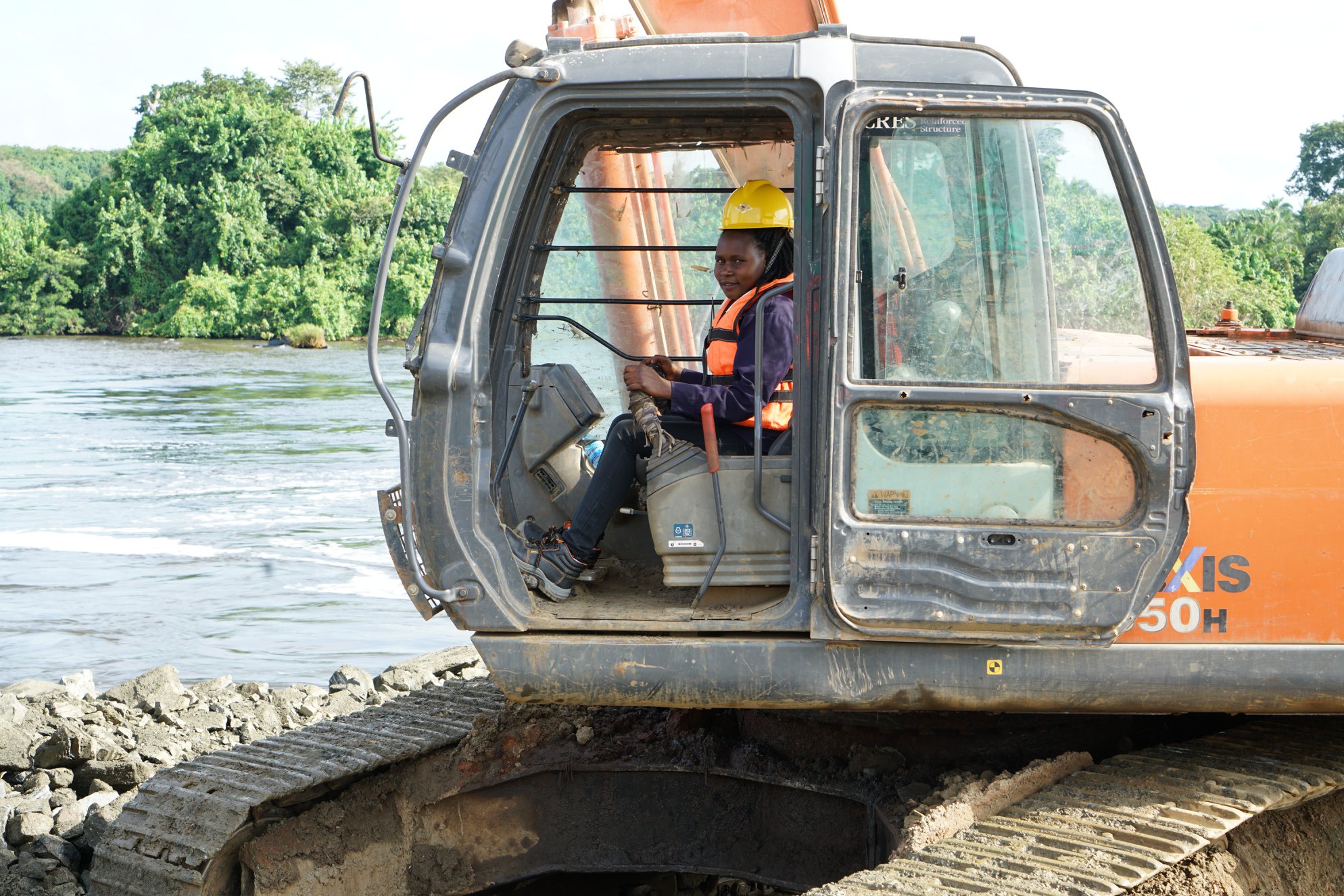
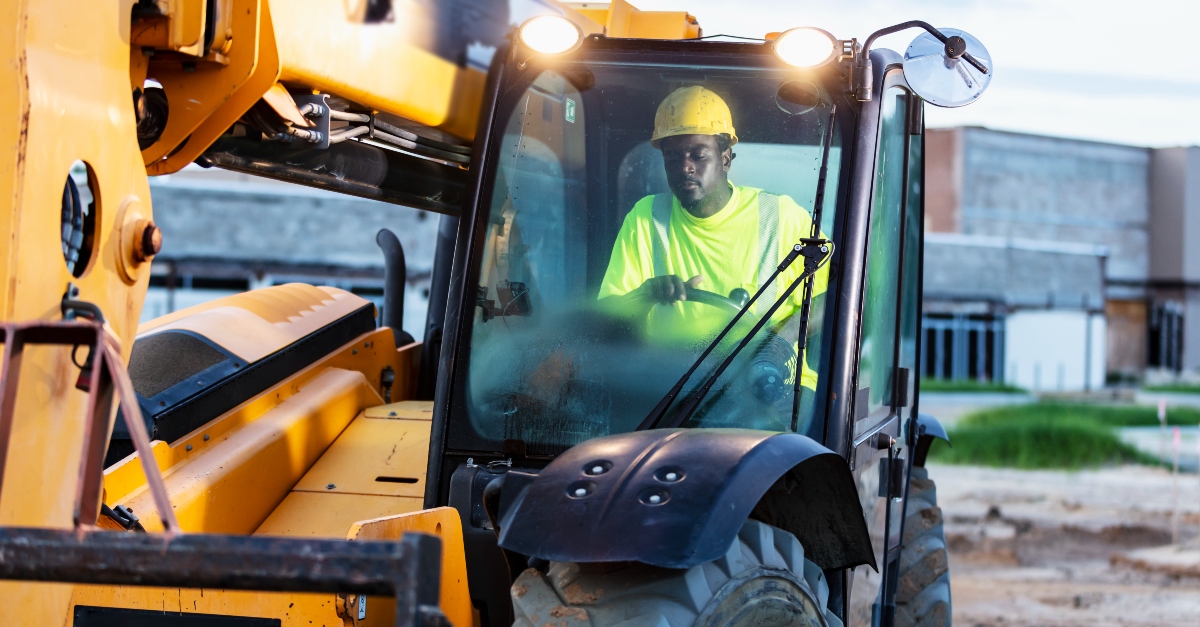
Have you ever stood beside a busy construction site and watched an excavator move tonnes of earth as though it were effortless, or seen a forklift operator place a heavy load exactly where it needs to go?
From the outside, operating heavy machinery can look like a simple matter of sitting in the cabin and moving a few controls. But have you ever wondered what separates someone who can move a machine from someone who can operate it professionally?
If you are asking yourself how to become a professional machine operator in Uganda, the journey begins long before you sit behind the controls. You need the right training, practical experience, safety awareness and the discipline to keep improving. The good news is that you do not have to begin as an expert.
Below are some of the steps you need to take to become a professional machine operator.
Decide which machine you want to learn
Where do you see yourself working? Perhaps you are interested in excavators because of the work they perform on construction sites, or maybe a forklift interests you because of the growing need for material handling in warehouses and industrial environments.
You might also be drawn to bulldozers, wheel loaders, motor graders, tractors or other specialized equipment. This is an important first decision because every machine has its own controls, functions, operating techniques and safety requirements.
Instead of trying to learn several machines at once, concentrating on one gives you the opportunity to understand it properly and build a strong foundation before adding another machine to your skills.
Your choice can also be influenced by the type of work you want to pursue. Think about the industries around you, the machines commonly used in them and the kind of operator you eventually want to become.
Find proper machine operator training
Once you know which machine you want to learn, the next question becomes more important: where will you learn it?
You can watch an experienced operator from outside the cabin and learn a few things, but observation alone cannot give you the complete knowledge required to operate heavy equipment safely.
Professional training combines classroom or theoretical instruction with practical sessions so that you understand not only how to operate a machine, but also why particular procedures matter.
At NextGen Institute of Technology, this foundation can help a beginner move from simply being interested in machinery to understanding the principles behind its operation.
You learn within a structured environment where machine knowledge, safety and practical ability can develop together.
Learn the machine before you start it
Would you feel comfortable operating a machine if you did not know what its major components were designed to do?
Before practical operation begins, you need to understand the machine itself. This includes learning about its major components, controls, functions, operating systems and basic maintenance requirements.
You should know what the controls do before you are expected to use them. This stage may seem less exciting than climbing into the machine, but it can make your practical sessions much easier.
When you understand the purpose of each control and component, you are no longer simply following instructions; you are beginning to understand the machine as an operator.
Make safety part of your training
A professional machine operator does not think about safety only after something goes wrong. Safety begins before the engine starts.
You need to learn how to carry out pre-operation inspections, identify hazards around the machine and understand the conditions of the working area.
You also need to understand blind spots, safe distances, communication with other workers and the importance of following established operating procedures.
Why does this matter? A machine can be powerful enough to move enormous loads, but that same power can create serious risks when it is poorly controlled. Developing safe habits during training means you begin building the mindset expected of a responsible operator.
Get behind the controls
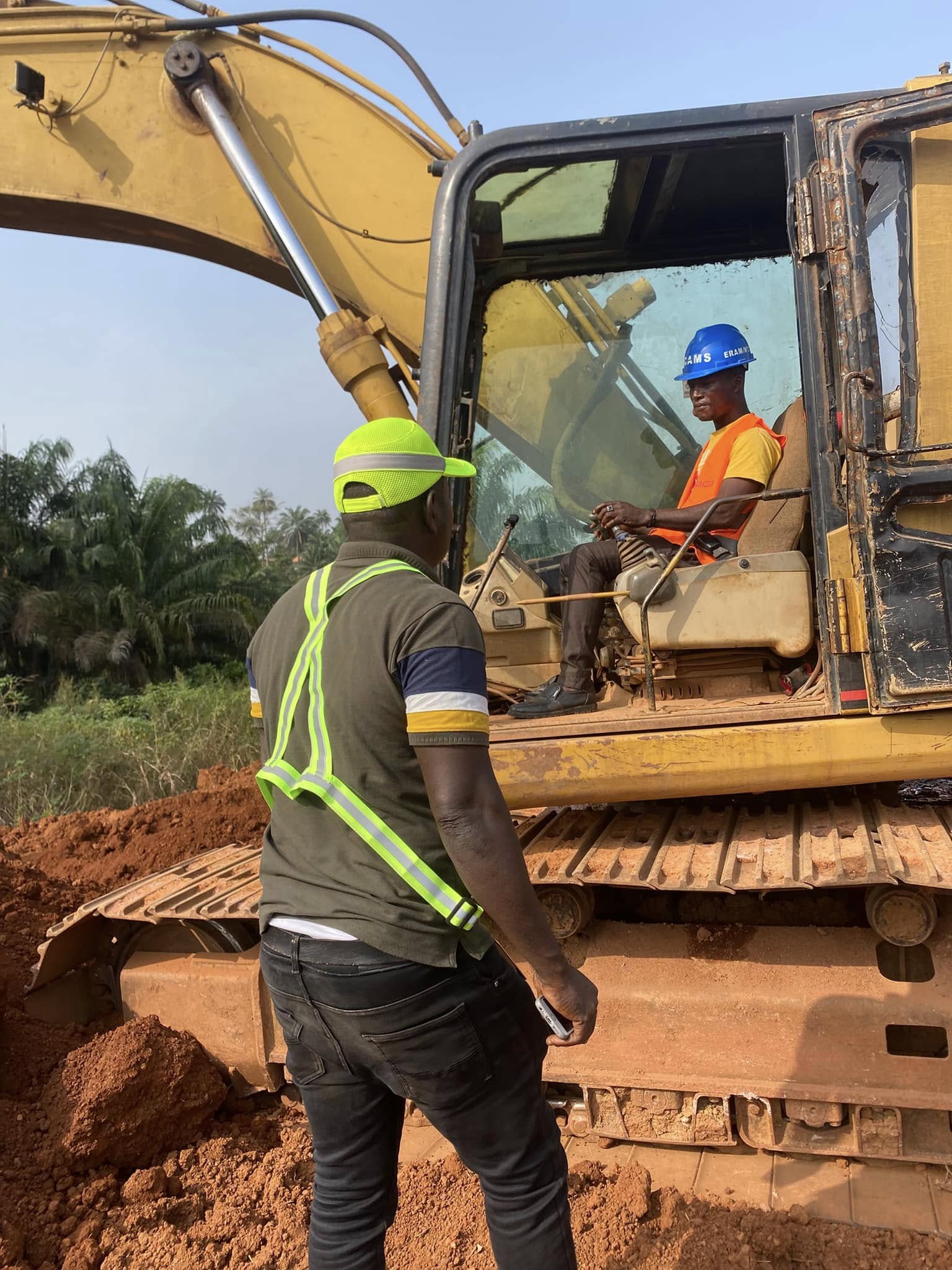
This is the moment many beginners have been waiting for. After learning the theory and safety procedures, you need practical experience. This is where you begin to understand the difference between knowing what a control does and actually using it.
At first, your movements may feel slow or unfamiliar. You may need to think carefully before making each movement, and that is completely normal.
With guidance and repeated practice, you gradually learn how to coordinate the controls, position the machine and carry out basic operating tasks more smoothly.
Practical training is therefore not simply about spending time inside a machine. It is about turning knowledge into controlled action.