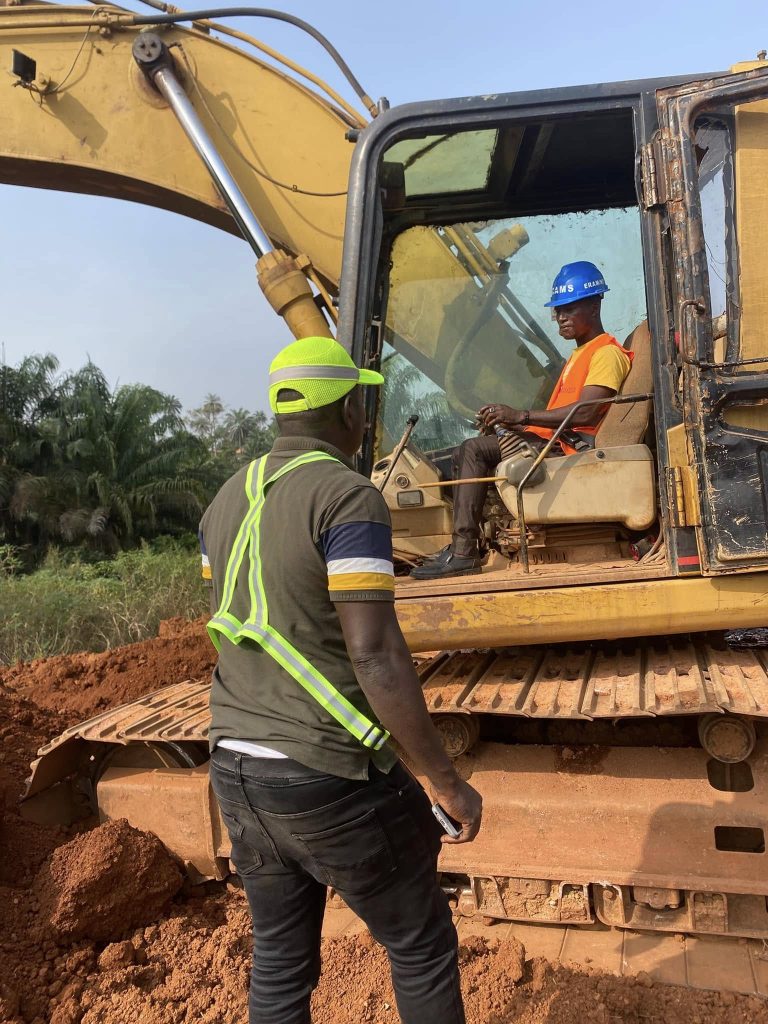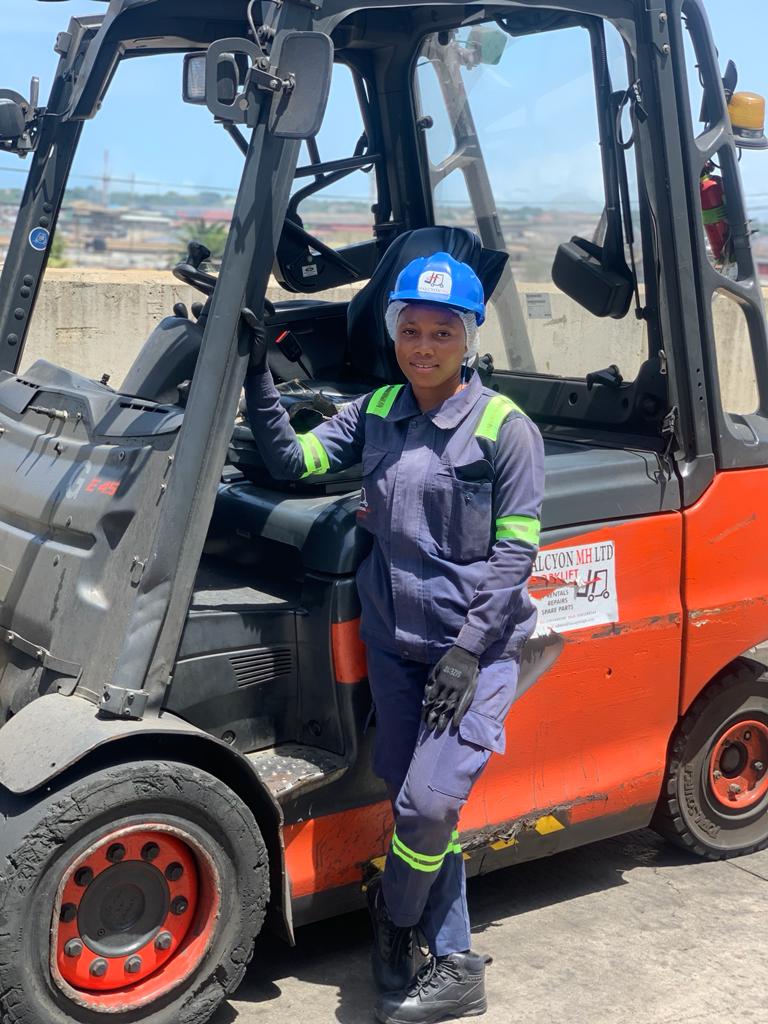
Operator Training Program
You have decided that it is time to invest in your future and pursue a heavy machinery operator training, but one important question remains: Which option is better; weekend training or full-time training?
This is a challenge you may face as aspiring machine operator before enrolling in a training program.
You want to gain practical skills, earn certification, and enter the job market as quickly as possible, but you also need a training schedule that fits your lifestyle and responsibilities.
The truth is that both options can help you achieve your career goals. However, the best choice depends on your current commitments, learning preferences, and career timeline.
Before you make a decision, it is important to understand how each type of operator training program works and what benefits it can offer.
The good news here is that at NextGen, both weekend and full-time operator training programs are designed to equip you with the practical skills and industry knowledge needed to succeed in the heavy equipment sector.
Have you ever questioned yourself on why operator training is the foundation of a successful career
Before comparing schedules, it is important to understand why operator training program matters in the first place.
Today’s construction, mining, road construction, and infrastructure industries require more than individuals who can simply operate machinery.
Employers want trained professionals who understand safety procedures, machine controls, maintenance practices, and workplace expectations.
Professional operator training program provides the knowledge and hands-on experience needed to operate equipment safely and efficiently.
It helps you develop confidence around machinery while preparing you for real-world job opportunities.
Whether you choose a weekend or full-time schedule, quality operator training program remains the key to building a successful and sustainable career.
At NextGen, the goal is to ensure that every trainee receives practical exposure and professional guidance that aligns with industry demands.
Understanding weekend operator training program
Weekend operator training program is specifically designed for individuals who have commitments during the week.
You may already be employed, running a business, attending school, or managing family responsibilities. Giving up these commitments to attend training every day may not be practical.
This is where weekend programs become valuable. Weekend operator training program allows you to continue with your normal activities during the week while dedicating your weekends to learning and practical exercises.
The schedule offers flexibility without forcing you to put your life on hold. For many trainees, this option provides a convenient pathway to gaining new skills while maintaining a steady income.
It allows you to balance personal responsibilities while still making progress toward your career goals.
Although the training period may be slightly longer because classes are concentrated on weekends, you still receive the same valuable knowledge and practical experience.
Understanding full-time operator training program
Full-time operator training program is ideal for individuals who want to immerse themselves completely in the learning process.
Instead of attending classes only on weekends, you participate in training throughout the week, allowing you to complete the program within a shorter period.
This option often appeals to school leavers, job seekers, and individuals who want to enter the workforce as quickly as possible.
Because training takes place more frequently, concepts are reinforced daily, and practical skills can develop at a faster pace.
With full-time operator training program, you are able to maintain momentum throughout the learning journey.
You spend more consecutive hours working with equipment, engaging with instructors, and refining your skills. This focused approach can help accelerate your readiness for employment opportunities.
At NextGen, full-time trainees benefit from extensive practical exposure that helps bridge the gap between training and real-world work environments.