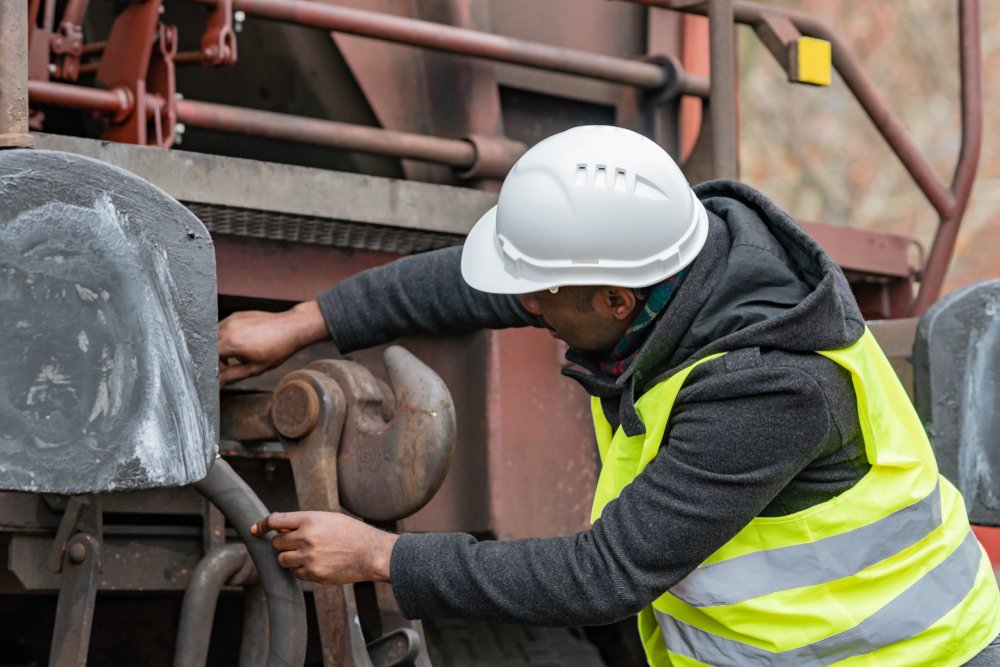
Why Heavy Equipment Overheats: What Could Be Going Wrong?

Why Heavy Equipment Overheats: What Could Be Going Wrong?

Why heavy equipment overheats

You are operating normally when you notice something that immediately changes your attention: the temperature gauge is climbing higher than usual.

The machine still sounds as though it is working, but something does not feel right. You may ask yourself, why heavy equipment overheats when the machine was running perfectly well earlier.

Is it the coolant, the radiator, the engine, the workload, or something much smaller that you have overlooked? Overheating is not simply a temperature problem that you can ignore until the machine cools down.

It is often a warning that one or more parts of the cooling, lubrication, combustion or hydraulic systems is struggling to perform properly.

If you continue operating without understanding the cause, a problem that could have been corrected early may develop into expensive engine or component damage.

For you as an operator, learning to recognize what is happening before the machine suffers serious damage is part of becoming genuinely professional.

Let’s find out why heavy equipment overheats and understand what could be going wrong.

The first thing you should understand is that heavy equipment produces considerable heat during normal operation.

The engine burns fuel, moving components create friction and hydraulic systems can generate additional heat while the machine performs demanding tasks.

Under normal conditions, the cooling and lubrication systems work together to remove or control that heat. The problem begins when the amount of heat being produced becomes greater than the machine can remove.

That imbalance is at the center of many cases of why heavy equipment overheats. Your job is not to guess the cause, but to recognize the signs, stop when necessary and investigate the machine correctly.

Could low coolant be the problem?

One of the first things to consider when your machine begins running hot is the coolant level.

Coolant absorbs heat from the engine and carries it toward the radiator, where that heat can be released into the surrounding air.

If the coolant level is too low, the system may not be able to remove enough heat from the engine. You might notice the temperature rising during demanding work, particularly when the machine has been operating for a long period.

However, do not simply add coolant and assume the problem is solved. A low coolant level may indicate a leak somewhere in the cooling system.

Check for visible leaks around hoses, connections, the radiator and other relevant components, but never open a hot radiator cap because pressurized coolant can cause severe burns.

Allow the system to cool and follow the manufacturer’s safety procedure before inspecting it.
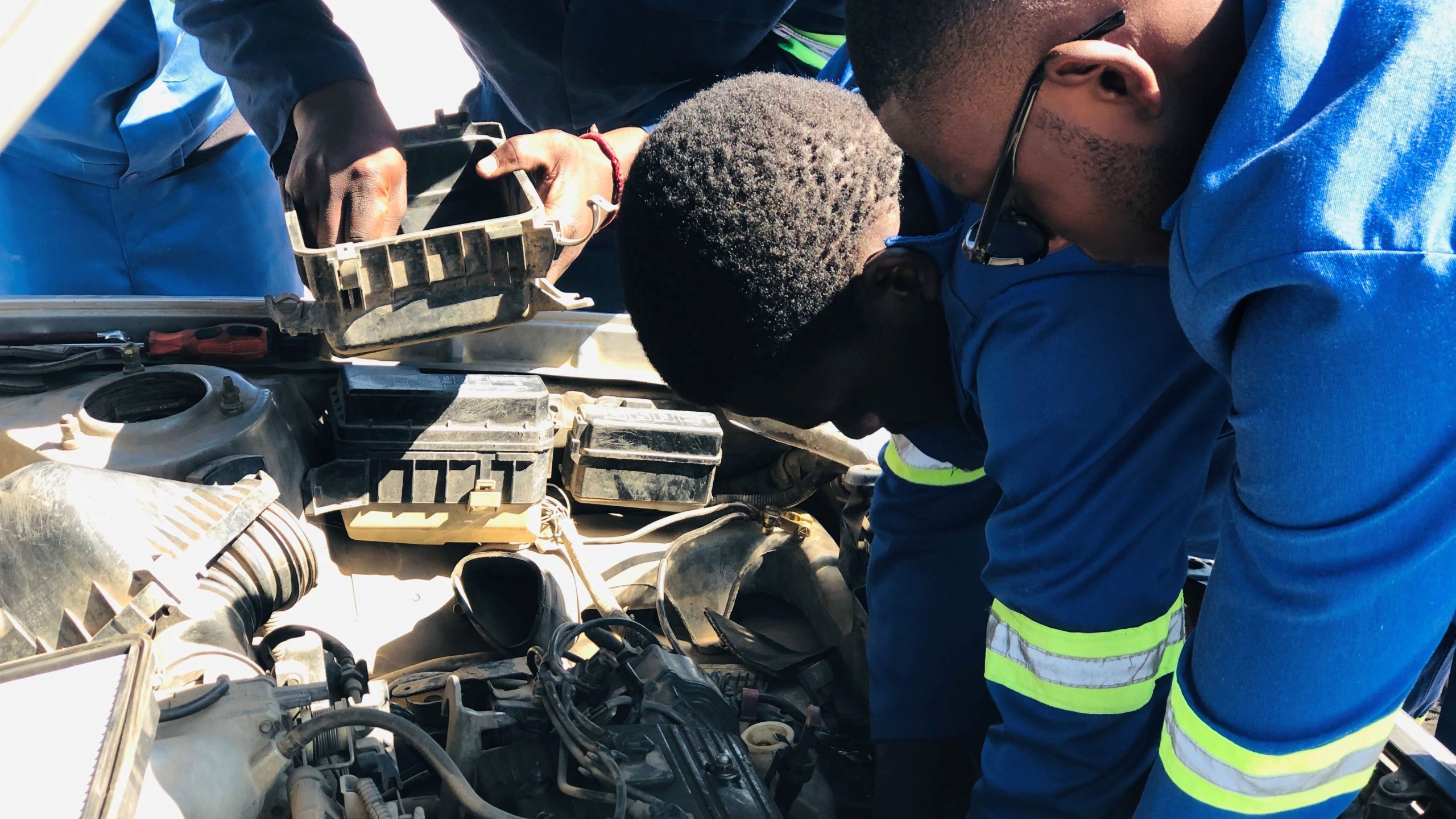
Trainees conducting pre-operational checks and understanding
Trainees conducting pre-operational checks

What happens when the radiator cannot breathe?

Think about how much dust, soil, grass, mud and debris a machine can encounter on a busy worksite. Now consider where much of that material can end up.

A radiator needs adequate airflow to remove heat from the coolant. When its fins become blocked with dirt or debris, air cannot pass through efficiently, and the cooling system becomes less effective.

The machine may therefore begin operating at a higher temperature even though the engine itself is still functioning. This is especially important when you work in dusty environments.

Regular inspection and proper cleaning can make a significant difference, but you should always use the cleaning method recommended for the particular machine because excessive pressure or incorrect cleaning can damage delicate radiator fins.

Could the cooling fan be Failing?

Sometimes the radiator is clean and the coolant level appears normal, yet the temperature continues to rise. That is when you need to think about airflow.

The cooling fan helps move air through the radiator, and a damaged fan, worn belt, faulty fan clutch or other fan-system problem can reduce the amount of air passing through the cooling system.

If the fan is not operating as it should, the engine may struggle to release heat, particularly during heavy work or slow-speed operation.

Do not put your hands near a fan or moving components while the engine is running. If you suspect a fan-related problem, shut the machine down safely and have the system inspected by a qualified technician.

Could the thermostat be stuck?

Your machine’s thermostat has an important role in controlling coolant circulation as the engine reaches operating temperature. If the thermostat becomes stuck or fails to function correctly, coolant may not circulate through the cooling system as intended.

This can create a situation where the engine temperature continues rising even though other parts of the cooling system appear to be working.

Because diagnosing a thermostat problem can require more than a simple visual inspection, this is an area where professional mechanical assessment is often appropriate.

The important lesson for you as an operator is not to remove or replace components simply because you suspect them. Good machine care involves identifying symptoms, reporting them accurately and allowing qualified personnel to diagnose faults properly.

Is the engine being worked too hard?

Sometimes the machine itself is not faulty; the operating conditions are the problem. Heavy equipment is designed to perform demanding work, but every machine has operating limits.

If you consistently push a machine beyond what it is designed to handle, work it continuously under extreme loads or use it incorrectly for the task, heat production can increase considerably.

For example, repeatedly forcing an excavator through material that requires a different approach can place unnecessary strain on the engine and hydraulic system. Similarly, operating a loader with excessive loads can increase the demand placed on several components.

Learning the machine’s operating limits is therefore just as important as learning how to move its controls. A professional operator knows that productivity is not about forcing a machine to work harder at every opportunity; it is about using the machine efficiently.


Suggested Training Courses

Granite Installation Training

UGX. 600000

Car Wash & Auto Detailing Training

UGX. 700000

Generator Repair Training in Uganda

UGX. 1500000

Could poor lubrication cause excessive heat?

Oil does more than help an engine run smoothly. Proper lubrication reduces friction between moving components and helps control heat generated by that friction.

When oil levels are too low, the wrong lubricant is used, or oil becomes contaminated or excessively degraded, components may experience greater friction and heat. In severe cases, inadequate lubrication can contribute to major mechanical damage.

That is why routine checks of engine oil and other relevant fluids should become part of your operating routine. Do not wait until you hear an unusual noise or notice smoke before taking fluid condition seriously.

What about a blocked air filter?

The engine needs a steady supply of clean air to operate properly. A heavily restricted air filter can interfere with airflow and affect the engine’s ability to burn fuel efficiently.

Depending on the machine and the nature of the restriction, you may notice reduced performance, increased fuel consumption or unusual engine behaviour alongside rising temperatures.

Because heavy equipment often works in dusty environments, air-filter maintenance deserves particular attention.

Follow the manufacturer’s inspection and replacement recommendations instead of assuming that an air filter only needs attention when it looks completely blocked.

Can hydraulic problems make a machine run hot?

When you think about overheating, your first thought may be the engine, but heavy equipment often has another major source of heat: the hydraulic system.

Hydraulic oil can become excessively hot when the system is working under abnormal pressure, when components are worn, when filters are restricted or when other hydraulic faults prevent the system from operating efficiently.

You may notice that the machine becomes sluggish or behaves differently while the hydraulic temperature continues to rise.

This is another reason you should avoid treating every overheating problem as an engine problem. A professional operator learns to look at the machine as a complete system.

What should you do when the temperature starts rising?

This is where your response matters most.

If you notice the temperature gauge entering an abnormal range, a warning light appearing, steam, unusual smells, loss of power or other signs of overheating, do not simply continue working because the job is almost finished.

Follow the machine manufacturer’s shutdown procedure and move to a safe location when it is appropriate to do so. Once the machine is safely stopped and sufficiently cooled, the relevant checks can be carried out.

You may be able to identify obvious issues such as low fluid levels, visible leaks or debris around cooling areas, but more complicated faults should be handled by a qualified technician.

Never remove a radiator cap while the cooling system is hot, and never place yourself near moving components while attempting to diagnose a running machine.

Let’s have a look at a quick overheating diagnosis sequence

When the temperature starts climbing, avoid guessing and work through the problem in a logical order. First, stop the machine safely if the temperature reaches an abnormal or critical level and allow it to cool according to the manufacturer’s instructions.

Next, check the coolant level and look for obvious leaks, but never remove a radiator cap while the system is hot. Then inspect the radiator and cooling-air passages for dust, mud, grass or other debris that could be restricting airflow.

Check for obvious problems with the cooling fan, belts or hoses only when the machine is safely shut down and moving parts have stopped.

After that, consider the workload and operating conditions because excessive loads, restricted airflow or prolonged heavy operation can increase heat.

Finally, if the cause is not obvious, report the problem and have a qualified technician inspect the cooling, lubrication and hydraulic systems before returning the machine to work.

“The sequence is simple to remember: Stop → Cool → Check fluids → Inspect airflow → Check for obvious faults → Consider the workload → Report and repair”.

Following that order can help you avoid turning an overheating warning into a much more expensive machine failure.

How can you prevent heavy equipment from overheating?

Prevention often begins with habits that seem small. Check the machine before starting work, monitor gauges while operating, keep cooling areas clean, maintain the correct fluid levels and report unusual changes early.

You should also pay attention to the conditions in which you are working. Dust, extreme heat, heavy loads, restricted airflow and long periods of demanding operation can all increase the strain placed on machinery.

Most importantly, do not wait for a machine to overheat before thinking about maintenance. Regular servicing allows developing problems to be identified before they become major failures.

Conclusion

Overheating teaches you that a professional operator does not simply control a machine; you learn to listen to it. Changes in temperature, sound, fluid levels and performance can warn you of problems before they become costly failures.

At NextGen Institute of Technology, you can develop the practical knowledge, safety awareness and operating skills needed to recognize these warning signs and handle heavy equipment responsibly.

Now are you ready to become a more confident and professional machine operator? Start your training with NextGen Institute of Technology and build the skills to operate safely, confidently and effectively.

Enroll & Start Training

Start a life-changing training to become a competent Heavy Machinery Operator today!
Share the Post:

Related Posts