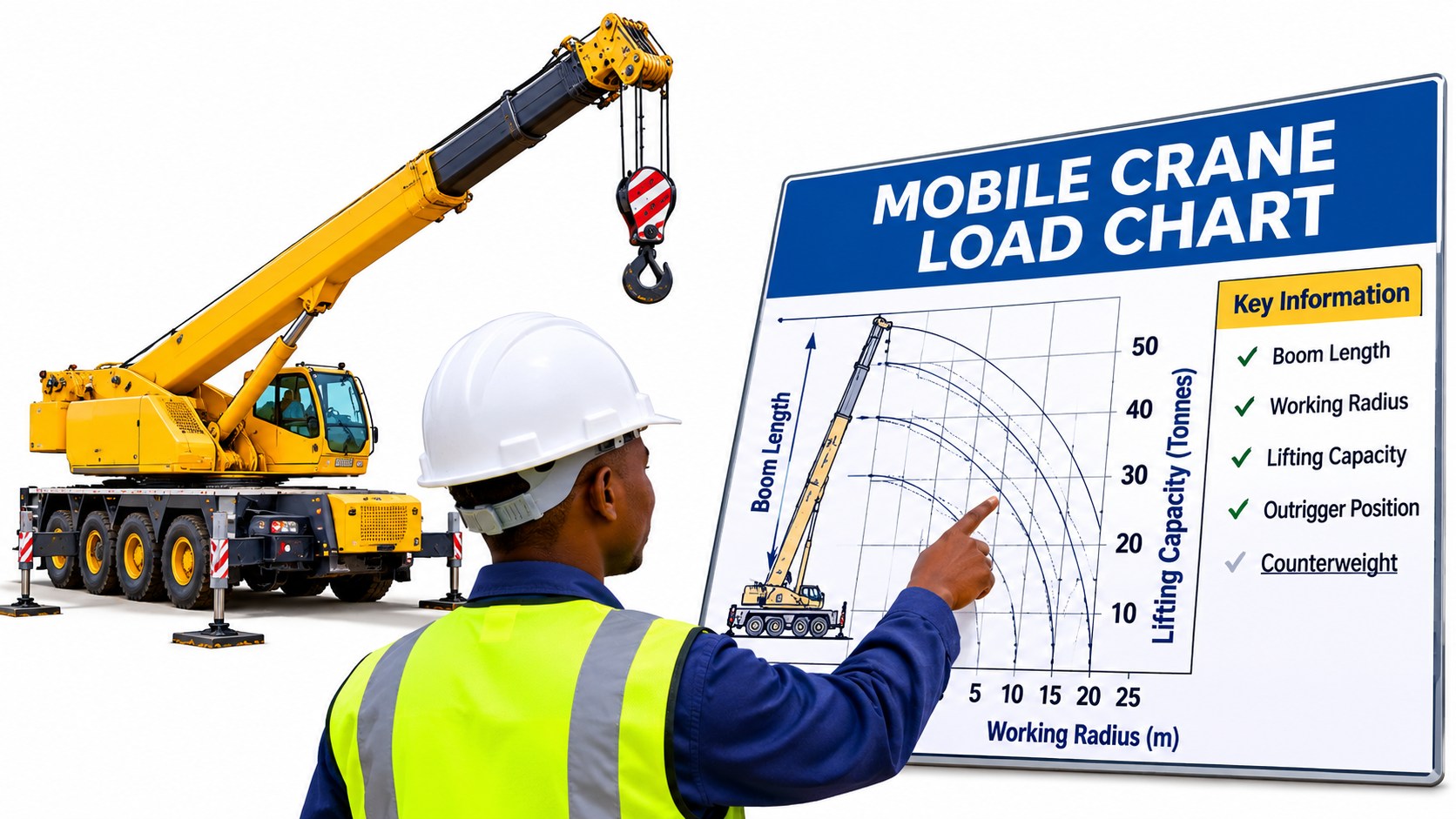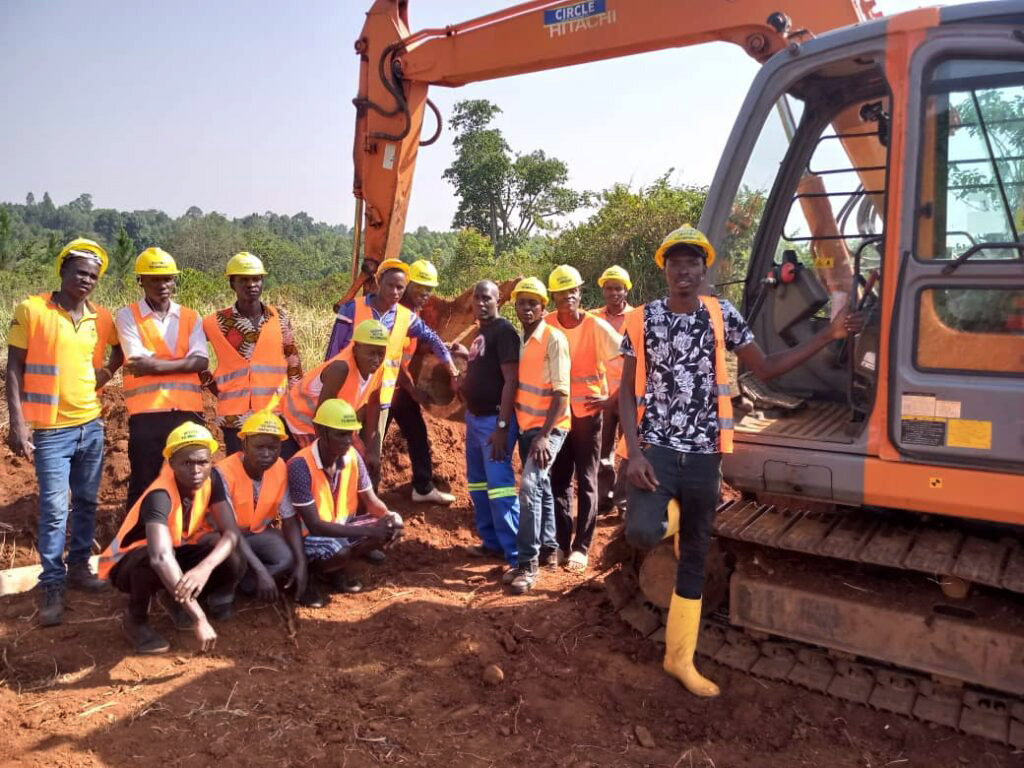
A construction machine can move tonnes of soil in a matter of minutes, lift heavy materials and reshape an entire working area.
Yet, behind every movement is a person making decisions that can determine whether the task is completed safely or becomes a costly mistake.
The interesting part is that most of these decisions happen quietly, inside the operator’s cab, where very little can be seen by someone standing outside.
From checking the machine before starting the engine to coordinating with other workers and responding to unexpected site conditions, a heavy equipment operator carries responsibilities that go far beyond controlling machinery.
But what does a typical working day really involve? Let’s follow the operator through the different stages of a construction-site shift and discover what happens behind the controls.
Before the Engine starts: What happens first?
The working day begins before the machine moves. After arriving at the construction site, you meet the supervisor and receive instructions about the day’s activities.
Perhaps you have been assigned to excavate a foundation, clear vegetation, transport materials or prepare a section of road.
You need to understand exactly where the work will take place, what needs to be achieved and which other workers or machines will be operating nearby.
This preparation matters because construction activities often happen simultaneously. A heavy equipment operator who understands the assignment is better prepared to work without interfering with other operations.
How well do you know the machine you are about to operate?
Before starting work, you must establish whether the machine is ready for operation.
Walk around it and inspect the tires or tracks, hydraulic hoses, attachments, visible leaks and signs of damage. Check the forks or bucket for defects and confirm that attachments are properly secured.
Once inside the cab, adjust your seat and mirrors, fasten your seat belt and check the controls, warning indicators, brakes, steering, lights and horn. Follow the manufacturer’s starting procedure.
This is where your responsibility becomes clear. A heavy equipment operator should never ignore an unusual noise, damaged component or warning indicator simply because the machine can still start. Report defects and ensure the equipment is cleared for use before continuing.
When the real work begins, what are you expected to do?
With the machine ready and the working area confirmed, the main assignment begins. If you are operating an excavator, you may be digging trenches, removing soil or loading material into dump trucks.
With a bulldozer, your responsibility could involve pushing earth, clearing land or spreading material. A wheel loader may be collecting sand, gravel or stones, while a motor grader prepares a smooth road surface.
Although the machines perform different tasks, your responsibility remains similar: complete the assigned work accurately while maintaining control of the equipment.
You must understand the machine’s operating limits, maintain suitable positioning and avoid unnecessary movements.
For a heavy equipment operator, working efficiently does not mean rushing. It means achieving the required result without compromising safety or damaging equipment.
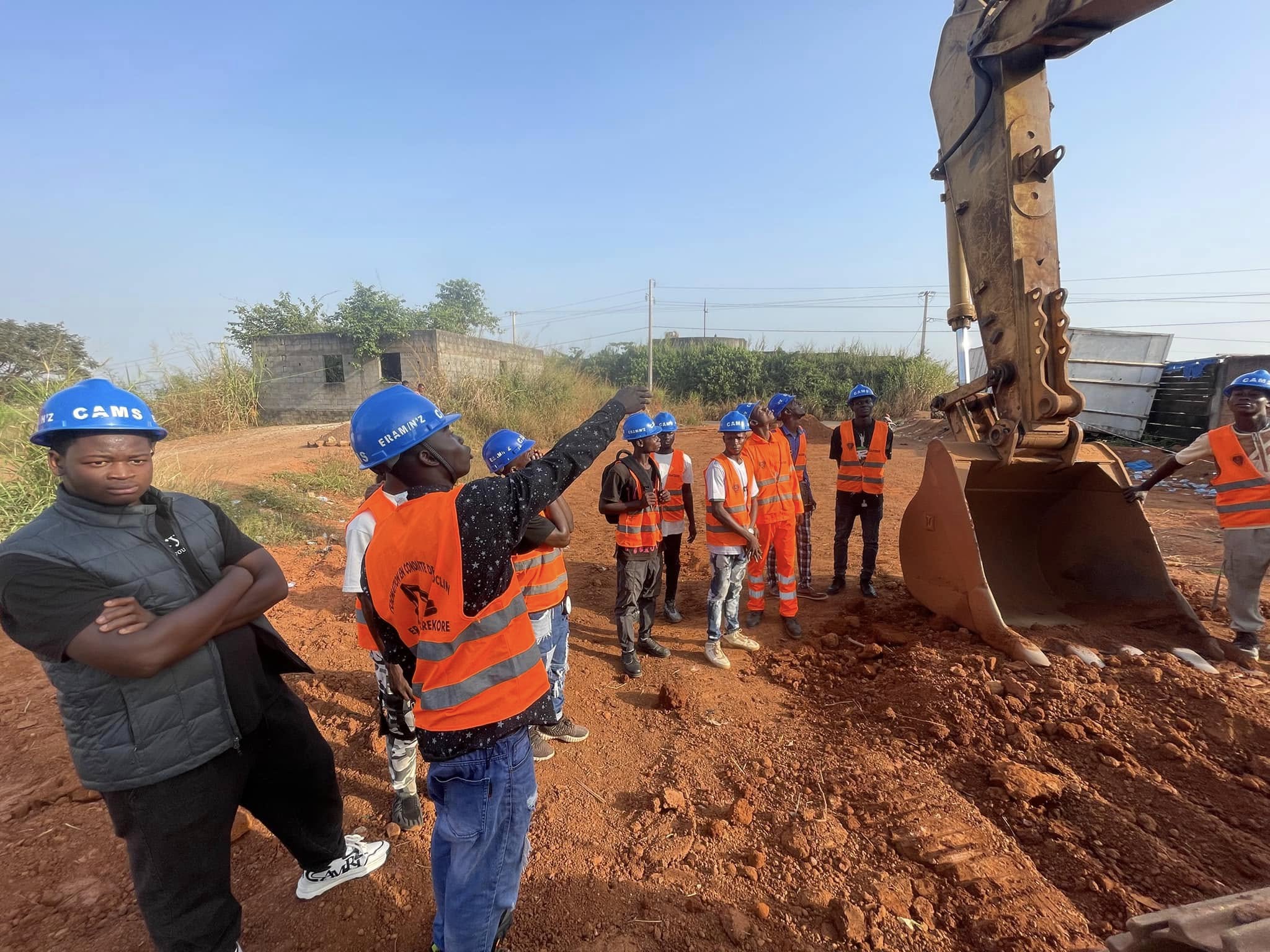
Why is working around other people so important?
A construction site is rarely occupied by one machine and one operator. You may be working alongside truck drivers, engineers, ground workers, surveyors and other machinery operators.
Their activities can affect your movements, while your own operation can create risks for them. For example, when reversing a wheel loader, you must consider blind spots and check that nobody is behind the machine.
When excavating, you must remain aware of workers around the excavation area and any underground services identified before digging. Communication through agreed hand signals, radios and site procedures helps everyone coordinate their activities.
If a person enters your operating area, stop until it is safe to continue. Good communication is not an extra responsibility; it is part of competent machine operation.