Most In-Demand Heavy Machinery Skills
Have you ever wondered why some machine operators seem to get more opportunities than others?
You may have two operators who trained on the same equipment, but one is trusted with more jobs, receives better recommendations and keeps getting called back.
What do you think makes the difference? Now in most cases, it comes down to heavy machinery skills. Being able to sit behind the controls and move a machine is only the beginning.
Employers want operators who understand safety, take care of equipment, work efficiently and can make good decisions when conditions change.
In Uganda, opportunities for skilled operators continue to exist across construction, road works, agriculture, infrastructure development and other industries.
But as the industry becomes more competitive, having the right heavy machinery skills can help you stand out.
So, which skills should you be developing in 2026?
Safe and accurate machine operation
The most important of all heavy machinery skills is the ability to operate equipment safely and accurately.
Whether you are operating an excavator, forklift, bulldozer, grader, mobile crane or tractor, you need to understand how the machine responds to different situations.
A good operator does not simply move the controls. You understand the machine’s limitations and know how to position it correctly for the task.
For example, an excavator operator needs to consider the position of the machine before digging, while a forklift operator must understand load capacity and stability before lifting.
The goal is simple: complete the job efficiently without putting people, equipment or the worksite at unnecessary risk.
Strong safety awareness
What would you do if you arrived at a worksite and noticed an unsafe condition? A skilled operator knows that safety begins before the machine starts.
Safety awareness is therefore another essential part of heavy machinery skills. Operators should know how to inspect their equipment, identify hazards and follow the correct operating procedures.
You need to pay attention to people working around the machine, unstable ground, overhead obstacles, trenches, electrical lines and other potential dangers.
Employers value operators who don’t take shortcuts because one careless decision can cause an accident, damage expensive equipment or delay an entire project. Being safety-conscious shows that you can be trusted.
Basic machine maintenance
You don’t have to be a mechanic to understand your machine. However, knowing how to carry out basic checks is one of the most useful heavy machinery skills you can develop.
Before starting work, an operator should understand the importance of checking things such as engine oil, coolant, hydraulic systems, tyres or tracks, fuel levels and warning indicators.
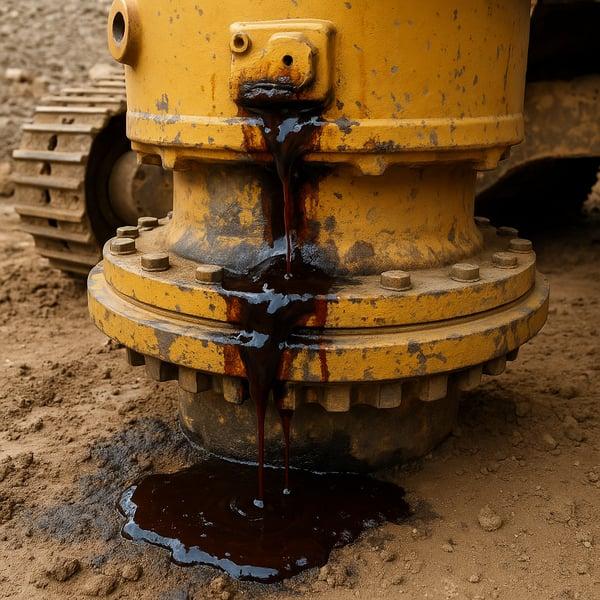
You should also learn to recognize unusual sounds, leaks, overheating or changes in machine performance.
Why is this important? You are often the person who spends the most time with the machine. You may notice a problem before anyone else does. Reporting a small problem early can prevent an expensive breakdown later.
Terrain and site awareness
Imagine operating a heavy machine on muddy ground after heavy rain. Would you operate it in exactly the same way as you would on firm, level ground?
Probably not. Now understanding the working environment is an increasingly valuable part of heavy machinery skills. Operators need to recognize soft ground, steep slopes, loose soil, uneven surfaces, waterlogged areas and excavation edges.
An excavator positioned too close to an unstable edge, for example, can create a dangerous situation. As a good operator, you therefore study the site before beginning work and considers how the terrain could affect the machine.
This skill becomes particularly important when working on construction sites, road projects and agricultural land.
Fuel-efficient operation
Fuel can be a major expense when operating heavy equipment. That is why fuel efficiency is becoming one of the most practical heavy machinery skills for operators in Uganda.
An operator who constantly leaves the engine running unnecessarily, makes excessive movements or operates the machine inefficiently can contribute to increased fuel consumption.
A skilled operator learns to plan movements and complete tasks smoothly. Fuel-efficient operation does not mean working slowly. It means avoiding unnecessary movements and using the machine intelligently.
For an employer, an operator who can help reduce fuel consumption while maintaining productivity can provide real financial value.
Troubleshooting and problem-solving skills
What happens when a machine suddenly starts behaving differently? Perhaps a warning light appears. Maybe the engine begins overheating or the hydraulics don’t respond as expected.
This is where problem-solving becomes important. Troubleshooting is one of the heavy machinery skills that can separate an average operator from a dependable one.
You should be able to recognize common warning signs and understand when it is safe to continue working and when the machine should be stopped.
You don’t need to repair every mechanical fault yourself. In fact, trying to repair something beyond your knowledge could make the situation worse.
The important thing is knowing how to identify problems, respond correctly and communicate with the maintenance team.
Communication and teamwork
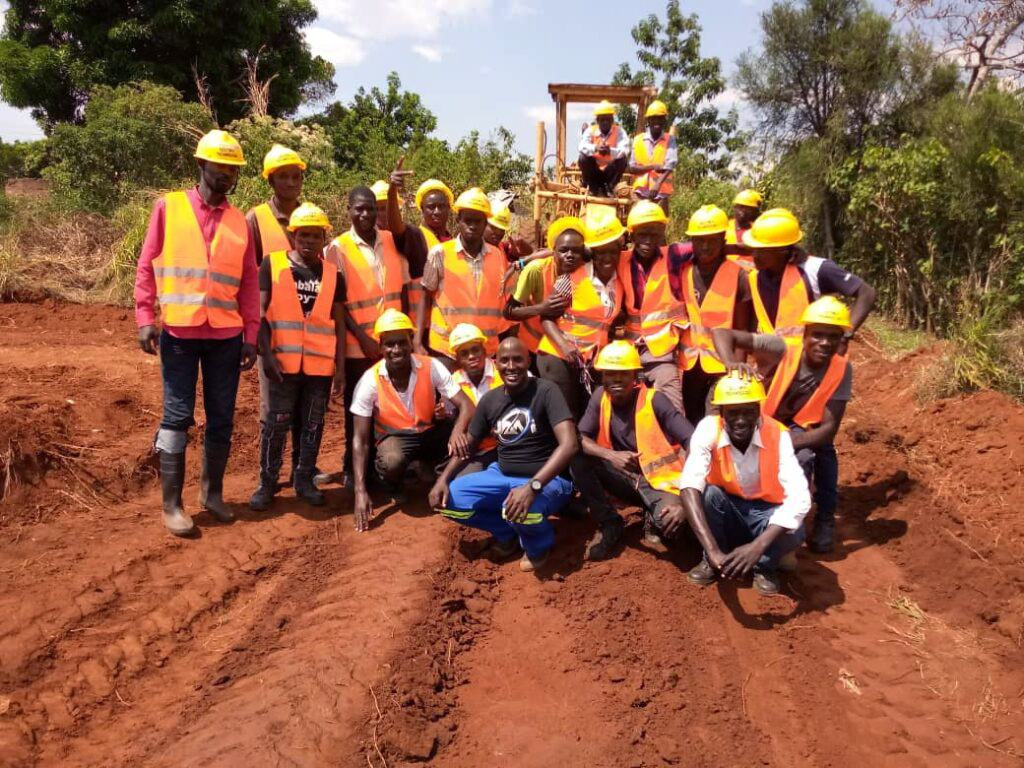
Heavy machinery operators rarely work alone. On a typical site, you may work alongside supervisors, engineers, mechanics, drivers, banksmen and other machine operators.
That makes communication an important part of your heavy machinery skills. You need to understand instructions, communicate clearly and pay attention to signals from other workers.
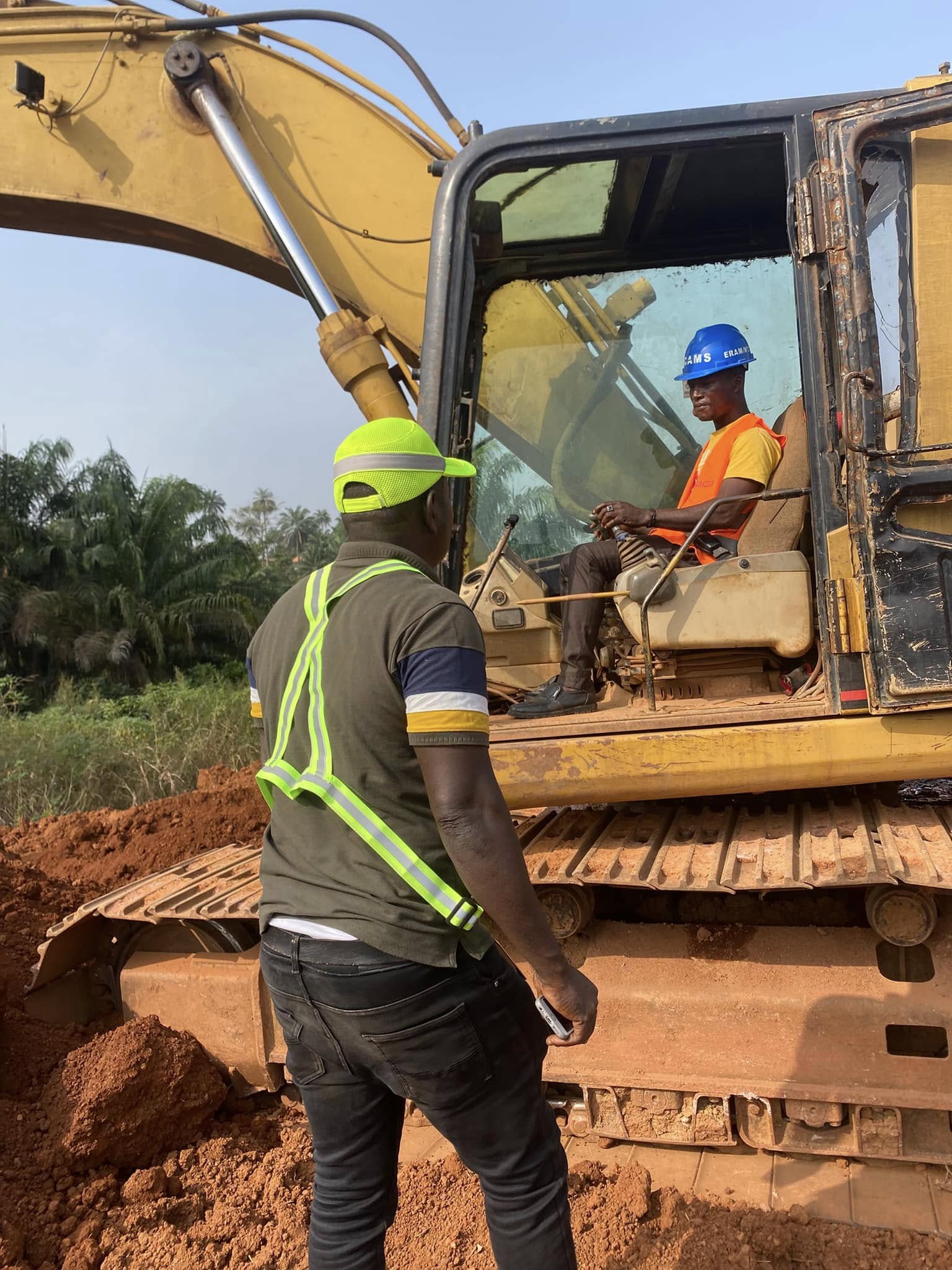
Imagine operating an excavator while workers are nearby. Good communication and awareness are essential before you swing the boom or move the machine.
A technically skilled operator who cannot work well with others can still create problems on a worksite.
Being professional, listening carefully and communicating, when necessary, can make you a much more valuable member of the team.