An excavator can look perfectly fine from the outside and still struggle when it meets a tough pile of soil. You push the controls, lower the bucket, and expect the machine to bite into the ground but suddenly, the excavator feels weak. The bucket struggles to penetrate, the boom lifts slowly, or the machine cannot handle a load it used to manage with ease.
So, what is happening?
A drop in excavator digging power can have several causes, ranging from simple maintenance problems to hydraulic or engine-related issues. As an operator, knowing what to look for can help you identify problems early, protect the machine, and avoid unnecessary downtime.
But wait a minute, what does excavator digging power actually mean?
Excavator digging power is the machine’s ability to use its engine and hydraulic system to generate enough force to penetrate, break, lift, and move material.
When everything is working correctly, the engine provides power while the hydraulic system transfers that power to functions such as the boom, arm, and bucket.
If one part of this system is not performing properly, you may notice a significant reduction in digging performance.
You might experience:
- A bucket that struggles to penetrate hard ground
- Slow boom or arm movement
- Weak lifting performance
- Reduced hydraulic pressure
- The engine struggling under heavy loads
- The excavator taking longer to complete normal tasks
Recognizing these signs early is an important part of good machine operation.
Let’s look at the most common reasons your excavator may be losing its digging strength.
Low Hydraulic Oil Level
One of the first things to check when you notice reduced excavator digging power is the hydraulic oil level.
Hydraulic oil transfers power throughout the machine. If the oil level is too low, the hydraulic system may not operate efficiently. You may notice slow or weak movements, unusual hydraulic noise, or inconsistent machine performance.
Before operating, check the hydraulic oil according to the manufacturer’s recommended procedure. Do not simply add oil without understanding why the level is low. A leak somewhere in the hydraulic system could be the real problem.
Contaminated or poor-quality hydraulic oil
Hydraulic oil does more than provide pressure. It also lubricates and protects components inside the hydraulic system.
If the oil becomes contaminated with dirt, water, metal particles, or other substances, it can affect hydraulic performance and contribute to component wear.
Old or incorrect hydraulic oil can also reduce system efficiency. Regular oil inspections and servicing help maintain consistent excavator digging power and extend the life of expensive hydraulic components.
A blocked hydraulic filter
The hydraulic filter helps prevent contaminants from circulating through the system. When the filter becomes clogged, hydraulic flow can be restricted. The result may be slower machine functions and reduced digging performance.
If your excavator gradually becomes weaker rather than suddenly losing power, a filter or maintenance issue may be worth investigating. Follow the manufacturer’s recommended service intervals and replace filters using the correct specification.
Hydraulic pressure problems
Hydraulic pressure is critical to excavator digging power. If the hydraulic system is not producing the required pressure, the bucket may struggle when digging hard ground. The boom and arm may also feel weaker than normal.
Possible causes can include problems with the hydraulic pump, valves, relief valve, hoses, or other hydraulic components. This is where you should avoid guessing. Hydraulic systems operate under high pressure and can be dangerous.
If pressure needs to be tested or components need to be repaired, the work should be handled by a suitably trained and qualified technician following the manufacturer’s procedures.
Engine performance is too low
Your hydraulic system depends on the engine to provide the necessary power. If the engine is not producing its normal output, hydraulic performance can also be affected.
A blocked air filter, fuel problem, poor maintenance, overheating, or another engine fault can cause the machine to struggle under load.
Pay attention to changes in engine sound, exhaust smoke, fuel consumption, temperature, and response when you increase the workload.
Sometimes what appears to be a hydraulic problem actually begins with the engine.
Worn bucket teeth
Imagine trying to dig hard ground with a bucket whose teeth are badly worn. Even if the excavator itself is operating correctly, worn teeth can make penetration much more difficult.
Bucket teeth are designed to break into material and help the bucket fill efficiently. When they become excessively worn or damaged, digging performance can decrease.
Inspect the bucket teeth regularly and replace worn components according to the equipment manufacturer’s recommendations. Good excavator digging power is not only about the engine and hydraulics; the attachment must also be in good condition.
Incorrect operating technique
Sometimes the excavator is not actually losing power but you may simply be asking the machine to work in a way that reduces its effectiveness.
Your digging technique matters. For example, forcing the bucket into extremely hard material at an unsuitable angle can make the machine work unnecessarily hard.
Poor positioning can also reduce your ability to use the excavator’s available digging force efficiently.
A skilled operator understands how to position the machine, choose the right digging angle, control the bucket, and work with the material rather than fighting against it. This is why practical operator training is so important.
The excavator is working in difficult ground
Not every loss of performance means the machine has a mechanical problem. Hard clay, compacted soil, rocks, wet ground, and other difficult materials naturally require more digging force.
If the machine performs normally in ordinary soil but struggles dramatically in extremely hard material, consider the working conditions before assuming something is broken.
You may need a different attachment, a different digging approach, or additional site preparation depending on the job. Understanding ground conditions is an essential operator skill.
Hydraulic leaks
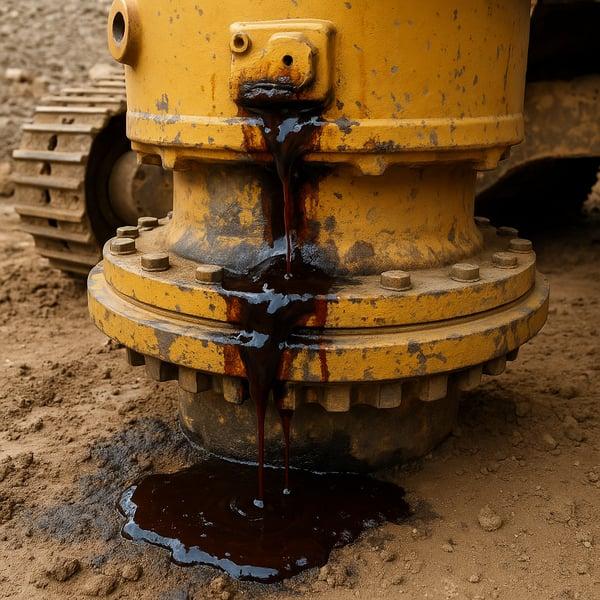
A hydraulic leak can gradually reduce excavator digging power and create serious machine problems if ignored. Look for signs such as oil around hoses, fittings, cylinders, pumps, or other hydraulic components.
Never use your bare hand to search for a hydraulic leak. High-pressure hydraulic fluid can penetrate the skin and cause severe injury.
If you identify a suspected leak, stop and follow the machine’s safety and maintenance procedures before attempting further work.