Key Challenges Affecting Operators in Uganda and How they Can Be Avoided

Key Challenges Affecting Operators in Uganda and How they Can Be Avoided
Could the biggest challenges affecting operators in Uganda be avoided with proper training and awareness? Find out what every current and aspiring operator needs to know to stay safe and succeed.

Key Challenges Affecting Operators and how they can be avoided

Have you ever watched a skilled machine operator smoothly control an excavator or grader and thought, “That looks simple”? On the surface, it does. But behind that smooth movement is a reality that many people do not see.

Across Uganda’s construction and infrastructure sector, there are deep challenges affecting operators that shape how safely, efficiently, and successfully they perform their work every single day.

These challenges affecting operators are not just about machines breaking down or difficult job sites.
They start much earlier right from training, exposure, and preparation, and continue into employment conditions, industry expectations, and safety culture.

The truth is, many operators struggle not because they lack talent, but because they were never fully prepared for the real demands of the industry.

In professional training environments like Next Gen Uganda institutions, the goal is not only to produce certified operators, but to produce competent, confident, and industry-ready professionals who can face and overcome these challenges affecting operators before they even step onto a real construction site.

So the real question is this: what are these challenges, and more importantly, how can they be avoided completely through proper training and preparation?

Let us now understand the core challenges affecting operators in Uganda

To properly address the challenges affecting operators, we must first understand where they come from.

In Uganda, the heavy machinery industry is growing rapidly due to infrastructure development, road construction, mining activities, and industrial expansion.

However, the systems that prepare operators for this industry have not always grown at the same pace. As a result, many challenges affecting operators originate from a mismatch between training and real-world expectations.

As a trainee you may complete a course and receive certification, but still feel unprepared when faced with real job site pressure, machine complexity, and strict deadlines.

These challenges affecting operators also include limited machine exposure during training, lack of structured mentorship, and insufficient safety discipline.

In many cases, operators are expected to “learn on the job,” which increases stress, reduces efficiency, and exposes both workers and equipment to unnecessary risk. For that case therefore lets dive deep into our challenges;

Training gaps as the first major source of challenges affecting operators

One of the most significant challenges affecting operators in Uganda is the gap between classroom learning and field readiness.

Many training programs still rely heavily on theory, with limited hands-on machine time. This creates a situation where learners understand concepts but struggle with real operational control.

In a well-structured training institute like Next Gen Uganda, this gap is addressed through competency-based learning.

Instead of rushing through machines, as a trainee you spend structured hours operating different types of equipment under supervision.

This reduces the challenges affecting operators by ensuring that every learner develops muscle memory, machine confidence, and real-time decision-making skills.

Without this level of practical exposure, you are likely to enter the industry with hesitation, which can lead to mistakes, inefficiency, and safety risks.
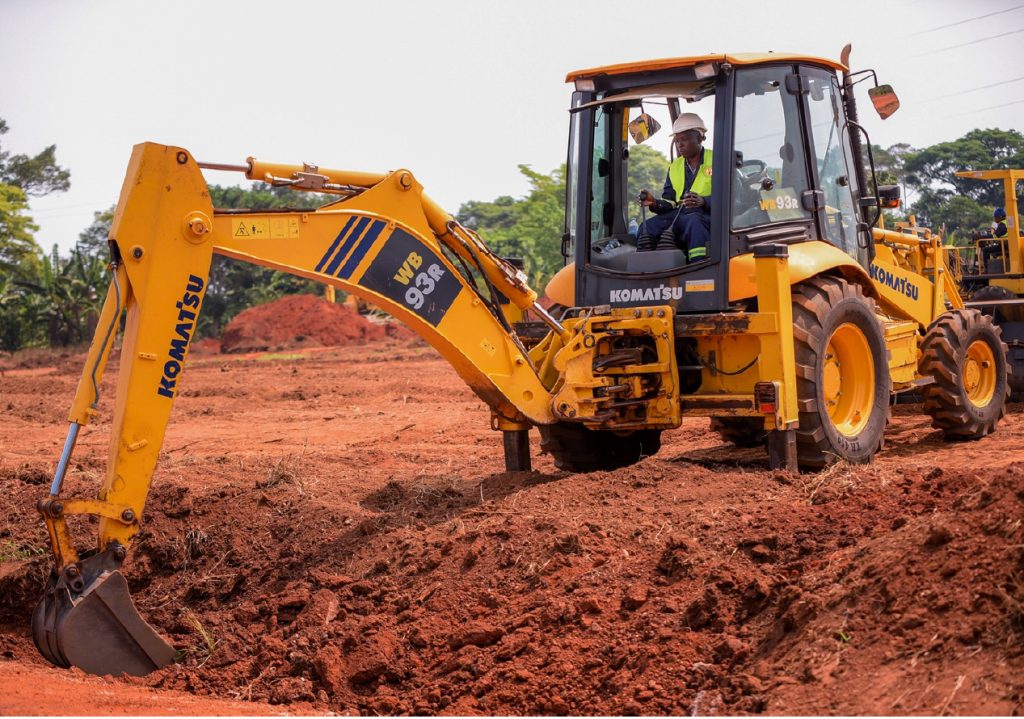
Excavator trainee experiencing practical exposure

Suggested Training Courses

Granite Installation Training

UGX. 600000

Car Wash & Auto Detailing Training

UGX. 700000

Generator Repair Training in Uganda

UGX. 1500000

Lack of machine variety and its impact

Another major factor contributing to the challenges affecting operators is limited exposure to different types of machinery.

In many cases, trainees are trained on only one machine or a small range of equipment, yet the industry demands flexibility.

In real job sites, as an operator you may be required to switch between excavators, loaders, graders, or compactors depending on project needs.

Without proper exposure, this becomes one of the most difficult challenges you may face once employment begins.

A professional training system solves this by advising trainees to rotate across multiple machines to increase their exposure. This builds adaptability, confidence, and technical understanding.

It also reduces fear when encountering unfamiliar equipment, which is one of the hidden challenges affecting operators that often slow performance.

Safety Culture and its role in reducing challenges affecting operators

Safety is one of the most critical areas where challenges affecting operators are most visible. In many workplaces, safety awareness is inconsistent, and in some cases, operators are under pressure to prioritize speed over caution.

This creates dangerous situations where mistakes can lead to accidents, equipment damage, or even loss of life. Many of these challenges affecting operators are not caused by lack of intelligence but by lack of proper safety discipline during training.

In a professional training environment, safety must be embedded into every stage of learning. as an operator you must be trained to conduct machine inspections, identify potential risks, communicate effectively on site, and follow strict operational protocols at all times.

When safety becomes a habit rather than a rule, many of the challenges affecting operators are significantly reduced before they reach the workplace.

Transition from training to real world-industry 

One of the most overlooked challenges affecting operators is the transition from training environments to real job sites.

The difference between controlled training conditions and actual construction sites is often very large.
In training, everything is structured and supervised.

In the field, operators face pressure, deadlines, weather conditions, and sometimes poorly coordinated teams. This sudden shift creates stress and uncertainty, especially for new operators.

Institutions like Next Gen Uganda address this by simulating real-world conditions during training. Trainees are exposed to time-based tasks, real site scenarios, and teamwork-based exercises. This helps reduce the challenges affecting operators when they eventually enter employment.

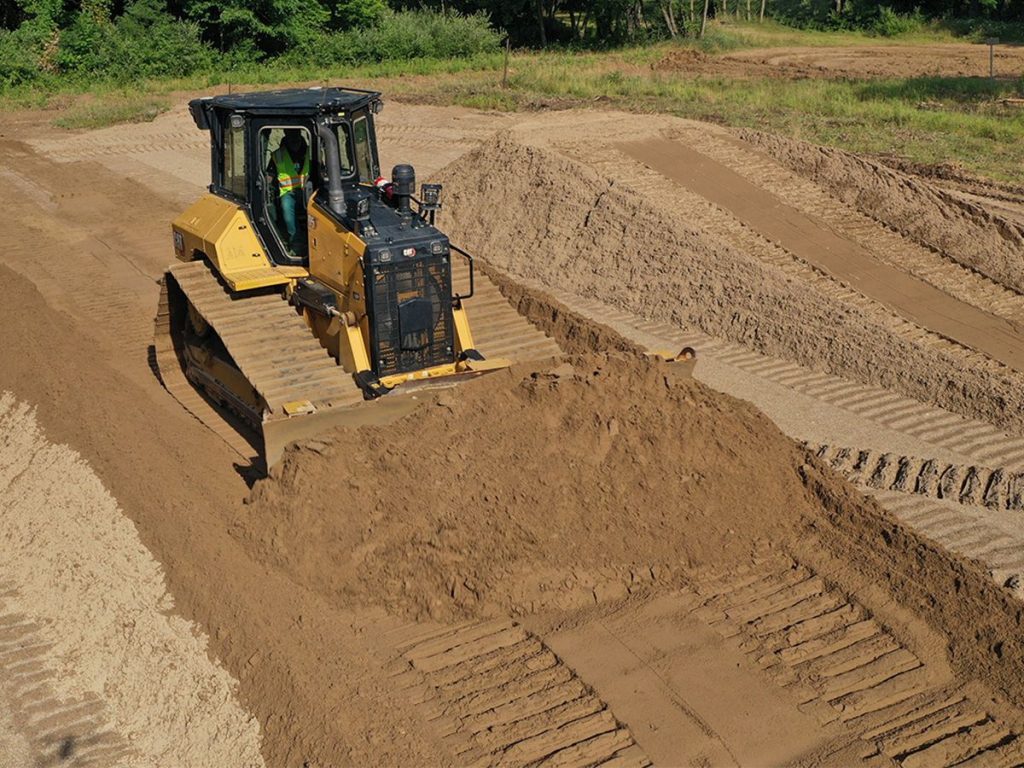
Bulldozer Training
Bulldozer Training

Work pressure and performance expectations

Another important aspect of the challenges affecting operators is job pressure. Employers expect operators to deliver fast, accurate, and safe performance under tight deadlines. While this is part of the job, it becomes a challenge when operators are not mentally prepared.

Pressure affects concentration, and reduced concentration increases the risk of mistakes. Many operators struggle not because they lack skill, but because they have not been trained to handle high-pressure environments.

A structured training program helps reduce these challenges affecting operators by introducing controlled pressure during training sessions. This allows trainees to gradually build mental strength and resilience.
Professional discipline and workplace behavior

Beyond technical ability, many challenges affecting operators come from professional discipline issues. These include communication problems, lack of teamwork, poor time management, and difficulty following instructions.

In real job sites, operators do not work alone. They interact with engineers, supervisors, mechanics, and other workers. Any breakdown in communication can affect the entire project.

Training institutes must therefore go beyond machine operation and teach workplace behavior as part of the curriculum. This helps eliminate many of the challenges affecting operators that are not technical but behavioral in nature.

Equipment condition and maintenance challenges

In Uganda’s construction industry, not all machines are in perfect condition. Some operators face breakdowns, delays, and performance issues caused by aging or poorly maintained equipment. These are also part of the challenges affecting operators that directly affect productivity.

While operators are not responsible for machine ownership, they are often affected by the condition of the equipment they use. This can lead to frustration, reduced efficiency, and increased pressure to meet targets.

Training helps reduce these challenges affecting operators by teaching operators how to conduct basic machine checks, identify early warning signs, and report issues before they escalate.

Above all, its important for us to understand how structured training eliminates most challenges affecting operators

The most effective way to address the challenges affecting operators is through structured, industry-aligned training.

A professional institution like Next Gen Uganda focuses on producing operators who are not only certified but fully prepared for real-world demands.

This includes combining theory, practical machine exposure, safety training, and professional discipline into one system.

When all these elements work together, the majority of challenges affecting operators are eliminated before graduation.

Instead of struggling in the field, graduates enter the industry with confidence, competence, and adaptability.

Conclusion

The challenges affecting operators in Uganda are real, but they are not impossible to solve. Most of them come from training gaps, lack of exposure, and insufficient preparation for real job environments.

If you are serious about becoming a professional machine operator, the solution is simple: choose the right training environment.

Join a structured, practical, and industry-focused institution like Next Gen Uganda where training is designed to eliminate the challenges affecting operators before they begin.

Enroll & Start Training

Start a life-changing training to become a competent Heavy Machinery Operator today!
Share the Post:

Related Posts