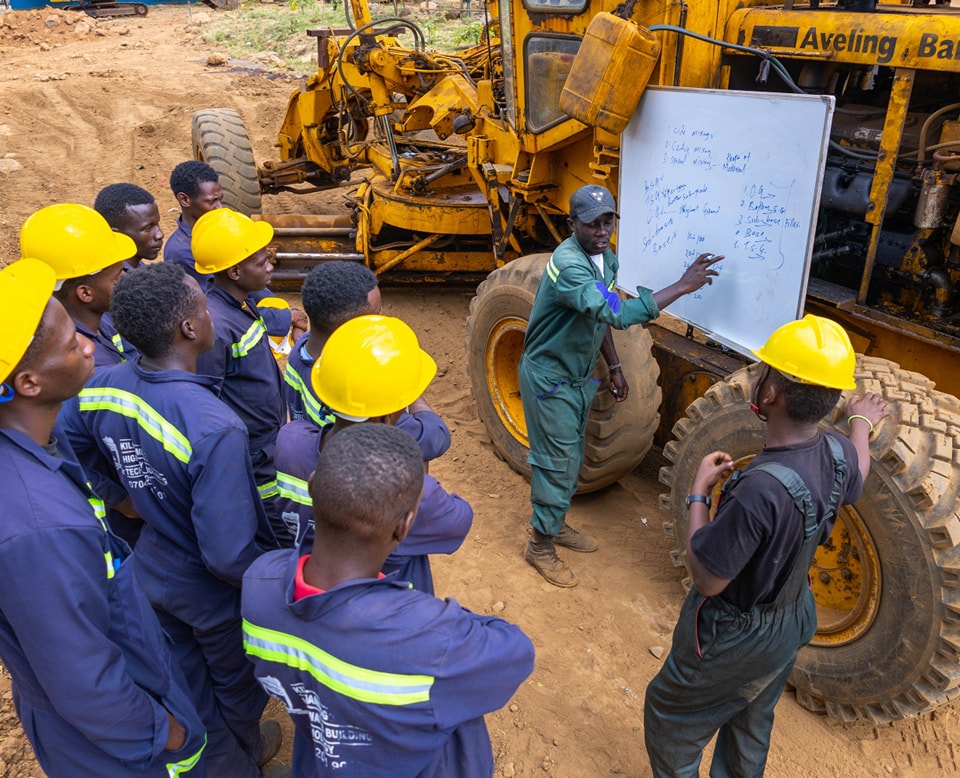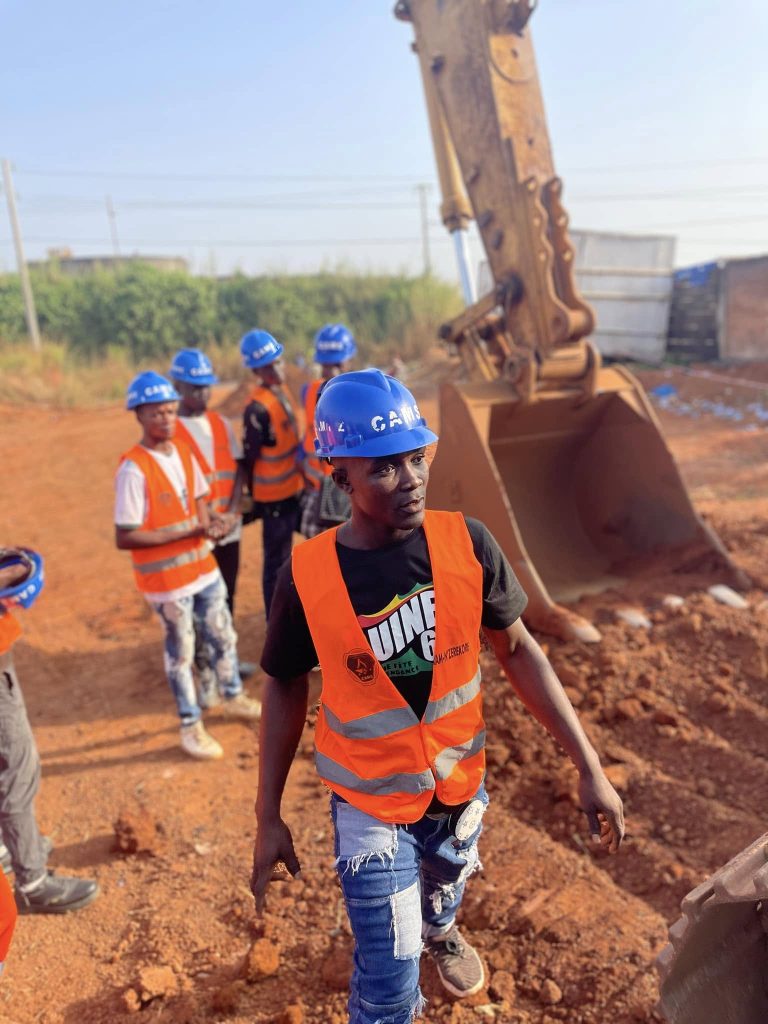
Smooth machine operation matters
A heavy machine can move mountains, but that does not mean its operator should rush. When you sit behind the controls of an excavator, bulldozer, grader, forklift or loader, the temptation to work faster can be strong.
You may think that finishing a task quickly proves you are a skilled operator. In reality, professional machine operation is not a race.
The most valuable operator is often the one who can make the machine work smoothly, accurately and safely while maintaining productive performance.
If you are learning to operate heavy equipment, understanding the difference between speed and efficiency can change the way you approach every task.
A machine that is operated aggressively may complete one movement quickly, but repeated unnecessary movements, sudden stops and poor positioning can waste fuel, increase wear and create safety risks. Smooth operation, on the other hand, allows you to work with the machine instead of constantly fighting against it.
You should always understand that speed does not always mean productivity
When you watch an experienced operator working, you may notice something surprising. They do not always appear to be rushing. Their movements can look calm and deliberate, yet they accomplish a great deal within a short period.
That is because productivity is not simply about how fast you move the controls. It is about how effectively you complete the entire task.
Imagine an excavator operator who swings the machine aggressively, moves the bucket too quickly and repeatedly repositions the excavator because of poor initial positioning.
The individual movements may look fast, but valuable time is being lost between them. Another operator may work at a controlled pace, position the excavator properly and coordinate each movement efficiently. The second operator may actually complete more work over the course of the day.
This is why smooth machine operation matters. You are not trying to make every movement as fast as possible. You are trying to make every movement count.
Let’s look at why smooth machine operation matters
Smooth controls protect the machine
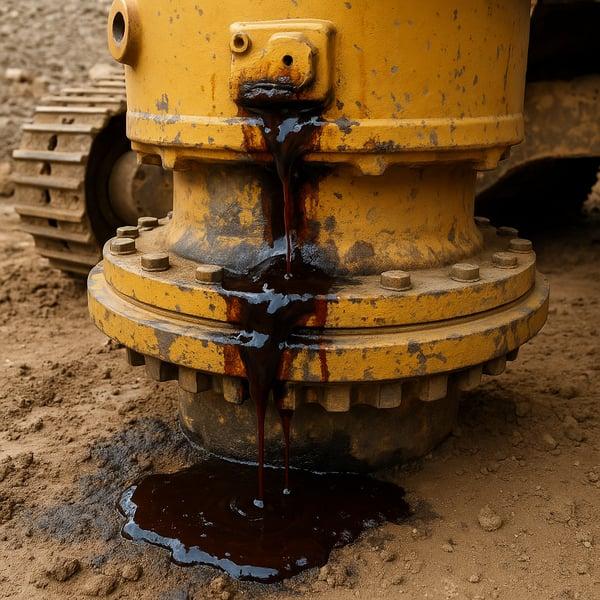
Heavy equipment is built to handle demanding working conditions, but it is still machinery with hydraulic systems, engines, transmissions, joints, attachments and other components that experience stress during operation.
Sudden movements place unnecessary strain on these systems. Abrupt acceleration, harsh braking, aggressive steering and uncontrolled attachment movements can contribute to excessive wear over time.
When you operate smoothly, you allow the machine to perform closer to the way it was designed to work. You become more deliberate with the controls, avoid unnecessary shocks and reduce the amount of force created by careless movements. This does not mean operating slowly. It means operating with control.
Smooth machine operation improves fuel efficiency
Fuel is one of the major operating costs associated with heavy equipment. The way you operate a machine can therefore have a direct effect on how much fuel it consumes.
Constant unnecessary acceleration, excessive engine revving, repeated repositioning and inefficient work cycles can increase fuel consumption. When you plan your movements and operate the machine smoothly, you can reduce unnecessary effort.
Consider an excavator again. If you position it correctly before beginning the task, you can reduce excessive swinging and repositioning.
If you coordinate the boom, arm and bucket movements properly, you can complete the work cycle more efficiently. The result is not only smoother operation but potentially better fuel economy.
Safety should always come before speed
There is one thing you should never sacrifice in an attempt to work faster and that is safety. Heavy equipment has enormous weight and power.
A sudden movement that seems minor from inside the operator’s cabin can create a serious hazard for someone standing nearby. This is particularly important on busy construction sites where several workers and machines may be operating within the same area.
Smooth operation gives you better control over the machine’s movements. You are more likely to notice what is happening around you and react appropriately when conditions change.
An operator who works carefully is not necessarily a slow operator. A professional operator understands that completing a task safely is part of completing the task successfully.
Smooth machine operation requires good machine positioning
One of the easiest ways to improve machine efficiency is to think about positioning before you begin. Poor positioning can force you to make unnecessary movements throughout the job.
You may need to reverse, turn, swing or reposition repeatedly simply because the machine was not placed correctly at the beginning. During operator training, you learn that positioning is part of the job itself.
Before starting a task, you should consider where the machine needs to be, where the material needs to go and how the machine can complete the work with the fewest unnecessary movements. This approach is especially important when operating excavators, loaders, graders and forklifts.
Precision can be more valuable than speed
Think about a forklift operator moving a valuable load through a busy warehouse. Would you rather have an operator who moves extremely fast but struggles to position the load accurately, or one who moves at a controlled pace and places the load exactly where it belongs?
The answer is obvious. Precision protects the load, the machine, the operator and the surrounding workplace. The same principle applies to construction equipment. A grader must produce an accurate surface.
An excavator may need to dig to a particular depth. A bulldozer may need to push material to a specific location. In such situations, speed without precision can create more work rather than less.